Understanding Dialysis Access Options
For someone preparing to begin hemodialysis, few decisions affect the day-to-day experience of treatment more than vascular access. Several times each week, blood will travel from the body to the dialysis machine and back, which means the access site has to deliver reliable, high-flow connections that hold up over years of use. There is no one-size-fits-all solution, and the two most common long-term options, the AV fistula and the AV graft, work in genuinely different ways.
An AV fistula reroutes the body’s own artery and vein into a strengthened natural connection, while an AV graft uses a synthetic tube to bridge those same vessels. Each has its strengths, each has its timelines, and the right choice depends on the patient’s blood vessels, anticipated dialysis timing, and overall health. Nephrology Associates of Northern Illinois and Indiana (NANI), with locations in Berwyn and North Chicago, IL, and Bergen, NJ, helps patients understand the distinctions early enough that planning, not pressure, drives the decision.
Why Vascular Access Matters
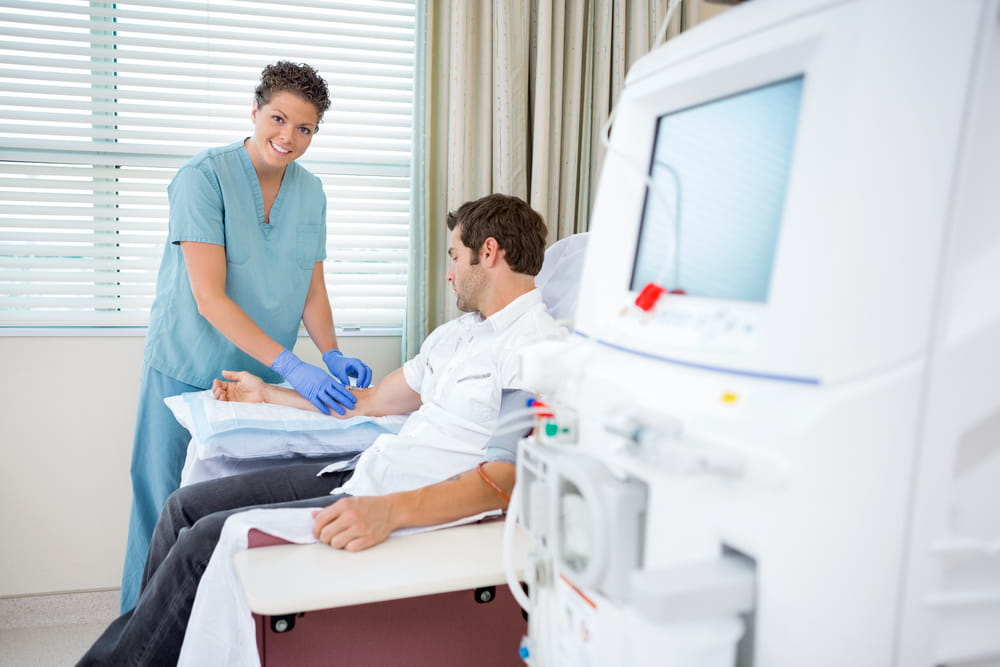
Hemodialysis removes waste products and excess fluids from the bloodstream when the kidneys can no longer perform these functions adequately. To accomplish this, the dialysis machine must be able to access blood flow efficiently and consistently.
Vascular access sites are specially designed to provide the higher blood flow rates needed during dialysis treatments. Without reliable access, dialysis may become less effective and more difficult to perform safely.
Understanding vascular access helps explain why careful planning and ongoing care are important parts of successful dialysis treatment.
What Is an AV Fistula?
An AV fistula is created through a surgical procedure that directly connects an artery to a nearby vein, most often in the arm. Over time, the increased blood flow causes the vein to enlarge and strengthen, making it suitable for repeated dialysis needle placement.
Because the fistula uses the patient’s own blood vessels, it is often considered the preferred long-term dialysis access option when possible. However, fistulas require time to mature before they can be used for treatment.
The maturation process may take several weeks or even a few months, depending on the individual’s blood vessels and overall health.
Once mature, a fistula can often provide reliable access for many years with proper care and monitoring.
What Is an AV Graft?
An AV graft is also created surgically, but instead of connecting the artery and vein directly, a synthetic tube is used to bridge the connection between the two blood vessels.
The graft serves as the access point through which dialysis needles are inserted during treatment. Because the graft material does not require the same maturation process as a fistula, it can often be used sooner after placement.
AV grafts may be recommended when a person’s blood vessels are not suitable for fistula creation or when dialysis access is needed more quickly.
Although grafts provide an effective option for many patients, they may require additional monitoring because of differences in how they function over time.
Comparing AV Fistulas and AV Grafts
Both fistulas and grafts serve the same overall purpose, but they differ in several important ways.
An AV fistula uses the body’s natural blood vessels and typically requires more time before it can be used. An AV graft uses a synthetic material that allows for earlier use but introduces additional factors related to the artificial connection.
Healthcare providers consider several factors when recommending one option over another, including vascular health, anticipated dialysis needs, age, and medical history.
The goal is to select the access type that provides the safest and most reliable long-term dialysis support for the individual patient.
Factors Patients Often Discuss With Their Healthcare Team
Choosing a dialysis access option involves several considerations that may vary from person to person. Patients frequently discuss topics such as recovery time, long-term maintenance, and overall suitability for their specific health needs.
Common questions may include:
- How long will it take before the access can be used?
- What type of care will be required at home?
- How will the access affect daily activities?
- What signs of complications should be monitored?
- How often will the access need to be evaluated?
These conversations help patients better understand the advantages and considerations associated with each option.
The Importance of Early Access Planning
One of the most important aspects of dialysis preparation is planning ahead whenever possible. Because AV fistulas often require several months to mature, early referral for vascular access evaluation may provide more options when dialysis becomes necessary.
Waiting until dialysis is urgently needed can sometimes limit available choices and may require temporary access methods until permanent access is established.
Understanding how kidney replacement therapy works can help patients appreciate why access planning often begins well before dialysis treatments actually start.
Early discussions with healthcare providers allow time for evaluation, surgical planning, and proper healing before dialysis is needed.
Caring for a Fistula or Graft
Regardless of which access type is used, proper care is essential for maintaining healthy blood flow and reducing the risk of complications.
Patients are often encouraged to monitor their access site regularly and report any concerning changes to their healthcare provider. Swelling, redness, unusual pain, or changes in blood flow sensation may warrant evaluation.
Protecting the access arm from injury and following recommended care instructions can help support long-term function. Regular monitoring by healthcare providers also helps identify potential concerns before they become more serious.
Ongoing access care remains an important part of successful dialysis treatment.
Understanding Long-Term Access Management
Both AV fistulas and AV grafts require regular assessment throughout their lifespan. Healthcare providers monitor blood flow, evaluate for narrowing or blockage, and assess overall access performance during dialysis treatments and follow-up visits.
Access maintenance may sometimes involve additional procedures if blood flow becomes restricted or other concerns develop. Early identification of these issues often allows for timely intervention and continued access function.
Long-term success depends on a combination of proper placement, routine monitoring, and active participation in access care.
Making Informed Dialysis Access Decisions
The most important factor in choosing between a fistula and a graft is not which option is better in the abstract but which option is better for the individual. Fistulas often serve patients longest when blood vessels can support them and time allows for maturation. Grafts offer reliable access on a faster timeline when fistulas are not feasible or when dialysis cannot wait. The recommendation comes from the same kind of careful evaluation as any other major medical decision.
Whichever option is chosen, the work does not end with placement. Both fistulas and grafts require ongoing care: routine monitoring at dialysis appointments, attention to home care, protecting the access arm from injury, and watching for signs of changing blood flow. Early intervention when problems appear is often what allows access to function reliably for years. Nephrology Associates of Northern Illinois and Indiana (NANI) supports patients through every stage of this process, from initial planning through long-term access management.
Sources
National Kidney Foundation. (2020). Vascular access for hemodialysis. American Journal of Kidney Diseases.
Lok, C. E., Huber, T. S., Lee, T., et al. (2020). KDOQI clinical practice guideline for vascular access. American Journal of Kidney Diseases.
Al-Jaishi, A. A., Oliver, M. J., Thomas, S. M., et al. (2014). Patency rates of the arteriovenous fistula for hemodialysis: A systematic review and meta-analysis. American Journal of Kidney Diseases.