
When the kidneys are no longer able to effectively filter waste and excess fluid from the body, dialysis becomes an important method of support. For individuals in Berwyn and North Chicago, Illinois, as well as Bergen, New Jersey, understanding dialysis options helps reduce uncertainty and supports informed decision-making. Nephrology Associates of Northern Illinois and Indiana (NANI) provides education across these communities, with experienced providers such as Samuel Agahiu MD, Emmanuelle Gilles MD, Louis Jan MD, and Marc Zelkowitz MD in Bergen; Matthew Anderson MD, Rajiv Gandhi MD, Andrew Kowalski, MPH, FASN MD, and Joanne Wheaton APRN, FNP-C in Berwyn; and Ernest Cabrera MD, John Travis Ludwig MD, Khaleel Sayeed MD, and Ashwin Shetty MD in North Chicago helping individuals understand kidney replacement therapies and what to expect as kidney disease progresses.
Dialysis is typically introduced when chronic kidney disease reaches advanced stages and the kidneys can no longer maintain balance on their own. Learning about dialysis early allows individuals and families to prepare emotionally, practically, and medically. Educational tools such as kidney replacement therapy information offer a foundation for understanding how dialysis works and when it becomes part of kidney care planning.
Why Dialysis Becomes Necessary
Healthy kidneys filter waste, regulate electrolytes, balance fluids, and support blood pressure control. When kidney function declines significantly, these processes become impaired. Waste products and excess fluid begin to build up in the bloodstream, leading to symptoms such as fatigue, swelling, shortness of breath, nausea, and difficulty concentrating.
Dialysis helps perform some of the functions the kidneys can no longer manage. It removes waste products, excess fluid, and helps stabilize electrolyte levels. While dialysis does not cure kidney disease, it supports the body when kidney function is severely reduced. Understanding this role helps individuals see dialysis as a supportive therapy rather than an abrupt or unexpected transition.
Learning more about how kidney function is evaluated can help individuals understand when dialysis may be recommended. Resources like kidney function education explain how filtration rates and lab trends guide long-term planning.
Hemodialysis: How It Works
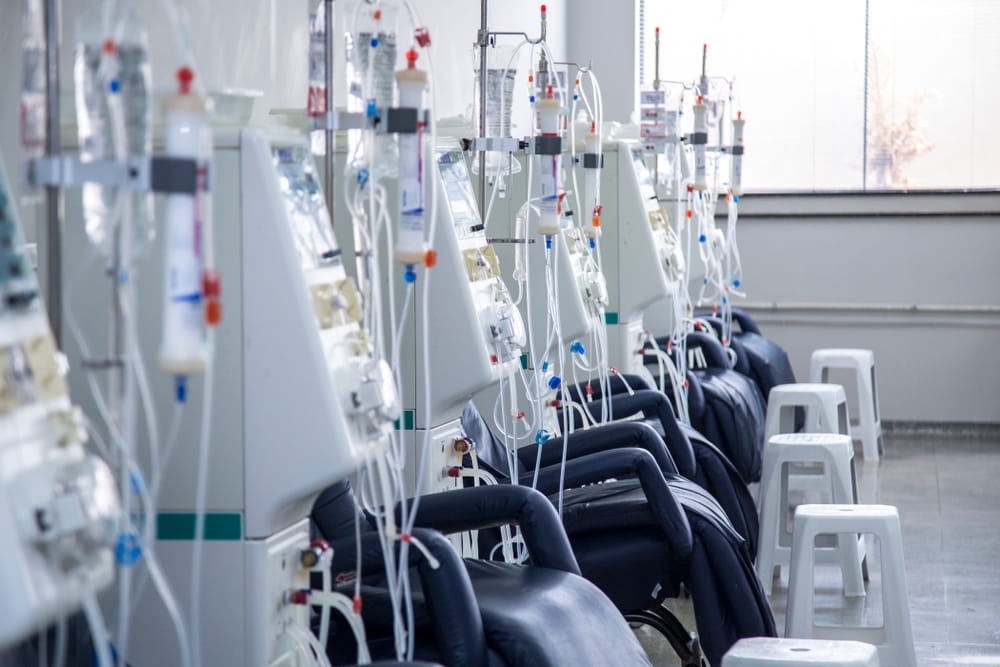
Hemodialysis is one of the most common dialysis options. This method uses a machine to filter blood outside the body. During treatment, blood flows from the body to a dialyzer, often referred to as an artificial kidney, where waste and excess fluid are removed before the blood is returned.
Hemodialysis is typically performed in a dialysis center several times per week, although some individuals may complete treatments at home with proper training. Each session usually lasts several hours. Access to the bloodstream is achieved through a vascular access, which may be created surgically in advance to support safe and effective treatment.
Hemodialysis schedules are structured, which some individuals find helpful for maintaining routine. Others may prefer more flexibility, leading them to explore alternative dialysis options.
Peritoneal Dialysis: An At-Home Alternative
Peritoneal dialysis (PD) uses the lining of the abdomen, called the peritoneum, as a natural filter. A cleansing solution is introduced into the abdominal cavity through a catheter, where it absorbs waste and excess fluid before being drained away. This process can be performed manually several times a day or automatically overnight using a machine.
One advantage of peritoneal dialysis is flexibility. Because it is typically done at home, individuals may have more control over their schedules and daily routines. PD is performed more frequently than hemodialysis, which can allow for gentler fluid and waste removal.
Peritoneal dialysis requires commitment to cleanliness and careful technique to reduce infection risk. Not everyone is a candidate for PD, but for many individuals, it offers an effective and lifestyle-friendly option.
To understand how dialysis fits into broader kidney disease progression, individuals may explore kidney disease information, which outlines how advanced CKD is managed.
Choosing the Right Dialysis Option
The decision between hemodialysis and peritoneal dialysis depends on several factors, including overall health, lifestyle preferences, home environment, and medical considerations. Some individuals prioritize flexibility and independence, while others prefer in-center care with a structured schedule.
Providers help guide these decisions by reviewing kidney health trends, discussing daily routines, and evaluating physical considerations such as abdominal health or vascular access readiness. Understanding the differences between dialysis types allows individuals to feel more confident as they consider their options.
It is also important to note that dialysis choices are not always permanent. Some individuals transition between dialysis types over time, while others may pursue kidney transplantation when appropriate.
Preparing for Dialysis Through Early Education
Learning about dialysis before it becomes necessary offers significant benefits. Early education allows individuals to ask questions, plan for access placement if needed, and adjust lifestyle habits gradually. This preparation often reduces stress when dialysis begins and supports smoother transitions.
Dialysis education also helps individuals recognize symptoms that may indicate worsening kidney function. Fatigue, swelling, appetite changes, and difficulty breathing can signal that kidneys are struggling to maintain balance. Recognizing these changes early encourages timely evaluation and planning.
Supporting Long-Term Kidney Care Decisions
Dialysis is one part of a broader kidney care journey. Understanding how dialysis supports the body helps individuals feel empowered rather than overwhelmed. Education, early planning, and ongoing communication all play critical roles in long-term kidney wellness.
For residents in Berwyn, North Chicago, and Bergen, Nephrology Associates of Northern Illinois and Indiana (NANI) continues to provide education that helps individuals understand dialysis options and make informed choices as kidney disease progresses. With knowledge and preparation, individuals can approach dialysis with clarity and confidence, knowing their decisions support both health and quality of life.
Sources
Locatelli F, Canaud B (2017). Dialysis modalities and outcomes in kidney failure. Nephrology Dialysis Transplantation.
Brown EA, Johansson L (2010). Dialysis options and patient choice. Nephrology Dialysis Transplantation.
Levin A, Stevens PE (2014). Kidney failure management and dialysis planning. The Lancet.