Understanding kidney function begins with understanding one key measurement: the glomerular filtration rate (GFR). For individuals in Berwyn and North Chicago, Illinois, as well as Bergen, New Jersey, knowing what a GFR number represents helps create clarity about kidney health and long-term wellness. At Nephrology Associates of Northern Illinois and Indiana (NANI), patients in these communities rely on educational tools and early screening to track kidney function over time. Whether individuals are learning from providers across Illinois, understanding GFR is an essential first step.
GFR plays a central role in detecting early kidney changes, monitoring ongoing function, and identifying potential risks. Because kidney disease often progresses quietly, having an accurate measure of filtration allows individuals to make informed decisions about their health long before symptoms appear. Resources such as kidney function education offer additional insight into how the kidneys work and why GFR is such an important indicator.
How GFR Measures Kidney Function
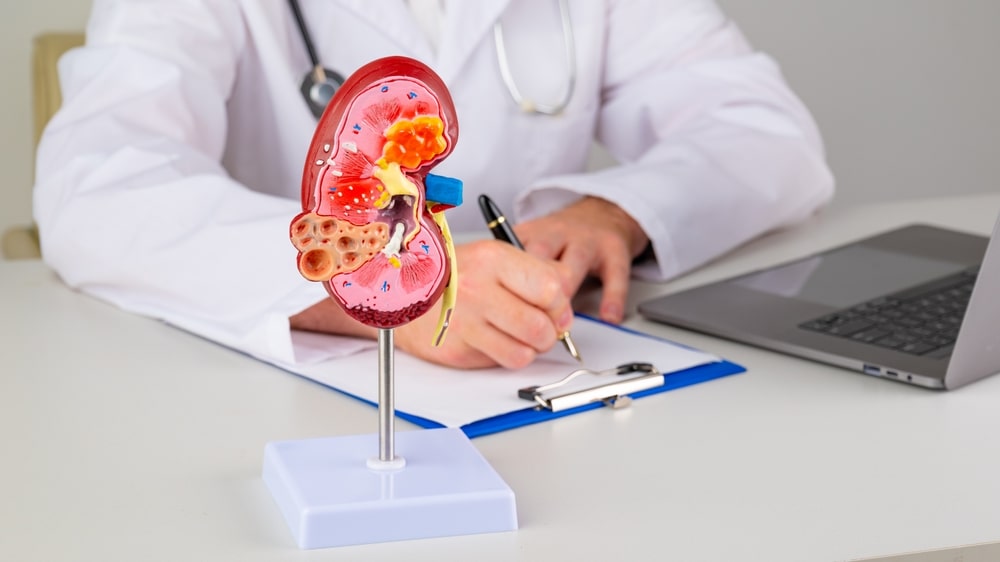
GFR reflects how effectively the kidneys filter waste from the blood each minute. Healthy kidneys maintain a high filtration rate, clearing toxins and balancing essential minerals. When kidney function declines, GFR decreases, signaling that the kidneys are working harder to perform the same tasks.
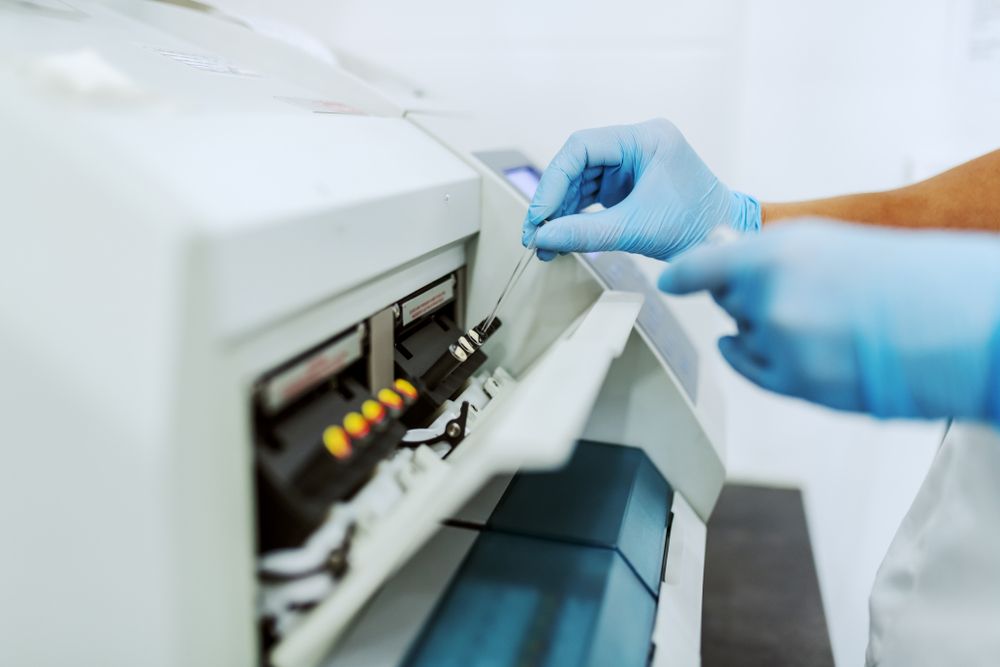
The test used to calculate estimated GFR (eGFR) evaluates creatinine levels in the blood, along with factors such as age and sex. Although eGFR is an estimate, it is reliable for monitoring changes over time. Even small variations may reflect emerging concerns that deserve attention. Individuals often find comfort in understanding what their number means and how it compares to typical ranges for their age and health status.
GFR is especially valuable because it can identify early kidney changes even when a person feels completely well. Since kidney disease is often silent, monitoring GFR helps ensure that any decline is recognized as early as possible.
Interpreting Your GFR Number Over Time
A single GFR value provides useful information, but trends over time matter even more. A normal GFR typically ranges above 90, although this may vary with age. Mild decreases may indicate early kidney stress, while more significant reductions suggest chronic kidney disease. Understanding these distinctions helps individuals prepare for follow-up discussions, screenings, and lifestyle adjustments.
For example, a GFR in the 60–89 range may indicate mildly reduced kidney function, especially when accompanied by other markers. A GFR between 30–59 suggests moderate decline, while numbers below 30 represent a more serious reduction. These ranges help individuals understand where they stand and what the next steps may be beneficial.
Monitoring GFR regularly provides clarity and reassurance. When trends remain stable, individuals gain confidence. When numbers shift, early changes encourage timely evaluation and awareness. The goal is not to create alarm, but to empower individuals with information that supports long-term protection.
Why GFR Matters for Early Detection and Prevention
Because kidney function changes gradually, early action is one of the strongest tools individuals have to protect their health. A declining GFR can reflect underlying conditions such as high blood pressure, diabetes, medication effects, dehydration, or age-related changes. Identifying these influences early allows individuals to address them before kidney function worsens.
GFR also plays a role in determining when to adjust nutritional habits, monitor blood pressure more closely, or review medications. For example, individuals with a reduced GFR may benefit from moderated protein intake, decreased sodium, or a review of medications that the kidneys process. While these decisions vary from person to person, understanding the GFR trend helps guide healthier choices.
Awareness supports prevention. Tracking GFR provides a clear, measurable indicator that encourages individuals to stay engaged with their kidney health throughout adulthood.
Practical Steps to Support Healthy GFR Levels
Although GFR naturally changes with age, there are meaningful habits that help support stable kidney function over time. These practical steps can contribute to long-term kidney wellness:
• Maintain consistent hydration, adjusting for climate and activity
• Reduce sodium intake to support healthy blood pressure
• Monitor blood pressure regularly and discuss significant changes
• Review medications that may affect kidney function
• Maintain an active lifestyle to support circulation and overall health
• Limit excessive use of non-prescription pain relievers
These habits work alongside ongoing screening to help preserve kidney function as individuals age.
GFR as a Tool for Lifelong Kidney Awareness
Understanding your GFR number empowers you to take an active role in your kidney health. For communities supported by Nephrology Associates of Northern Illinois and Indiana (NANI) in Berwyn, North Chicago, and Bergen, tracking GFR provides an early, reliable way to evaluate kidney function and understand long-term trends. With knowledge, individuals can make informed choices that support wellness and reduce the risk of chronic kidney disease.
By staying aware of GFR, individuals strengthen their ability to recognize early kidney changes, pursue preventive strategies, and maintain long-term stability. Early knowledge remains one of the most effective tools for protecting kidney health throughout life.
Sources
Levey AS, Stevens LA (2010). Estimating GFR Using the CKD-EPI Equation. Annals of Internal Medicine.
Glassock RJ, Winearls CG (2009). The Global Burden of Chronic Kidney Disease. Kidney International.
Coresh J, Selvin E et al. (2007). Prevalence of Chronic Kidney Disease in the United States. JAMA.