
Potassium is an essential mineral that supports muscle function, nerve signaling, and heart rhythm. Under normal conditions, the kidneys regulate potassium levels by removing excess amounts through urine. However, when kidney function declines, the body may have difficulty maintaining proper potassium balance. As a result, potassium can build up in the bloodstream, which may affect overall health. Nephrology Associates of Northern Illinois and Indiana (NANI), serving patients in Berwyn and North Chicago, Illinois, and Bergen, New Jersey, emphasizes how maintaining proper electrolyte balance can benefit overall kidney health.
Managing potassium levels becomes an important part of daily care for individuals with chronic kidney disease (CKD). Making informed dietary choices and understanding which foods contribute to potassium intake can help support safe and balanced levels over time, with a kidney-friendly diet playing an important role in maintaining mineral balance and overall kidney health.
Why Potassium Balance Matters
Potassium plays a critical role in maintaining normal muscle contractions, including the function of the heart. It also supports communication between nerves and muscles, helping the body perform essential tasks such as movement and coordination.
When potassium levels become too high, a condition known as hyperkalemia may occur. Elevated potassium can interfere with normal heart rhythm and muscle function. Because symptoms may not always be noticeable in early stages, regular monitoring is often important for individuals with kidney concerns.
The kidneys are responsible for filtering excess potassium from the blood. When kidney function is reduced, potassium may accumulate more easily. Understanding how potassium interacts with the body helps highlight the importance of managing intake through diet and lifestyle habits.
Foods That Tend to Be High in Potassium
Many healthy foods naturally contain potassium, which can make managing intake more complex. While these foods provide important nutrients, individuals with CKD may need to be mindful of portion sizes or frequency of consumption.
Common high-potassium foods include bananas, oranges, potatoes, tomatoes, and avocados. Dairy products, certain beans, and some leafy greens may also contribute significant amounts of potassium. Processed foods and salt substitutes may contain added potassium as well, which can increase overall intake.
Because potassium is found in a wide range of foods, awareness and balance are key. Identifying which foods are higher in potassium can help guide more informed meal planning.
Lower-Potassium Food Choices
Many foods contain lower amounts of potassium and can be incorporated into a balanced diet. These options help provide variety while supporting potassium management.
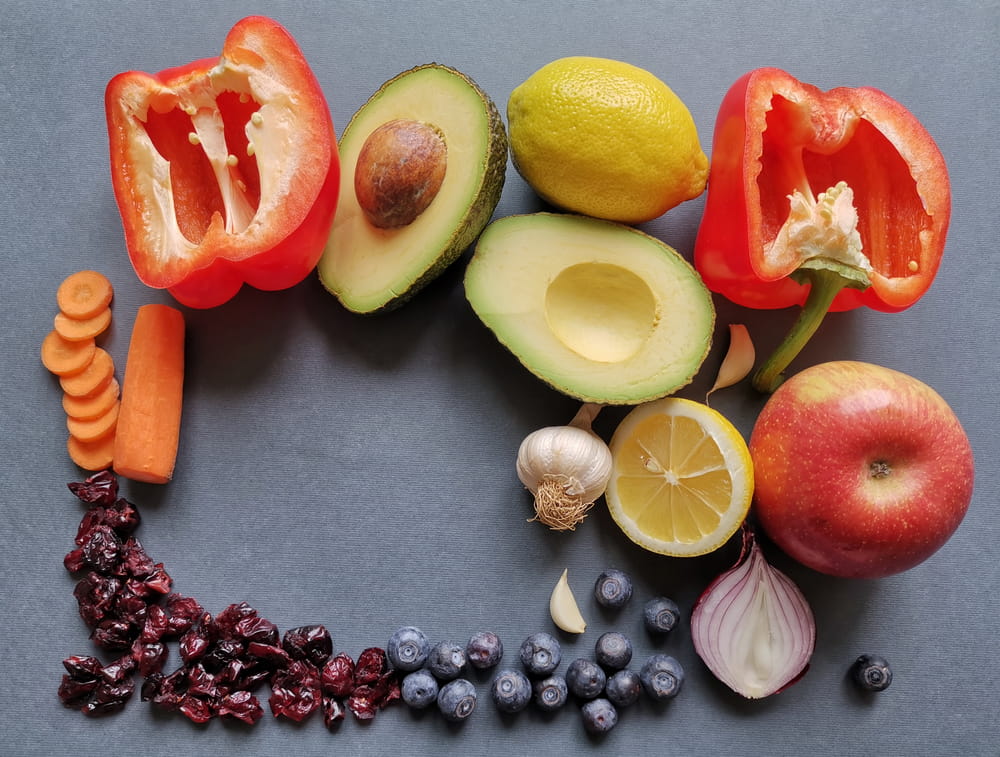
Fruits such as apples, berries, grapes, and peaches are often lower in potassium compared to some other fruit options. Vegetables like cucumbers, lettuce, green beans, and peppers can also be included in meals while helping keep potassium intake in check.
Refined grains such as white rice, pasta, and certain breads typically contain less potassium than whole-grain alternatives. Choosing these options in moderation may help support dietary balance for individuals monitoring potassium intake.
Meal planning that includes a variety of lower-potassium foods can help maintain adequate nutrition while supporting kidney health goals.
Cooking Methods That Help Reduce Potassium
In addition to selecting lower-potassium foods, certain cooking techniques can help reduce the potassium content of some vegetables. One commonly used method is leaching, which involves soaking and boiling vegetables to draw out some of the potassium.
To leach vegetables, they are typically peeled, sliced thinly, and soaked in water for several hours. After soaking, the vegetables are boiled in fresh water. This process can help lower the potassium content, making certain vegetables more suitable for individuals managing potassium levels.
While leaching can be helpful, it may not remove all potassium, and it is not necessary for every food. Understanding when and how to use this method can support more flexible meal planning.
Reading Labels and Avoiding Hidden Potassium
Packaged and processed foods may contain hidden sources of potassium that are not always obvious. Ingredients such as potassium chloride are often used as salt substitutes or preservatives.
Reading food labels can help identify these additives. Words that include “potassium” in the ingredient list may indicate added potassium. Being aware of these ingredients allows individuals to make more informed choices when selecting packaged foods.
Limiting highly processed foods and focusing on fresh, whole ingredients can help reduce exposure to hidden potassium sources.
Building a Balanced Approach to Potassium Management
Managing potassium levels does not require eliminating large groups of foods. Instead, it involves balancing intake, choosing appropriate portions, and incorporating a variety of foods that align with individual health needs.
Regular monitoring and communication with healthcare providers can help guide dietary adjustments. Because potassium needs can vary depending on kidney function and overall health, individualized recommendations are often important.
Understanding how potassium fits into the broader picture of kidney health can also be helpful, as kidney function explains how the kidneys regulate electrolytes and maintain balance within the body.
A thoughtful approach to nutrition helps support both kidney health and overall well-being.
Supporting Long-Term Kidney Health Through Diet
Diet plays a central role in managing mineral balance for individuals with kidney concerns. By understanding how potassium affects the body and learning which foods contribute to higher intake, individuals can make choices that support safer levels.
Combining dietary awareness with other healthy habits—such as staying active, following medical guidance, and attending regular checkups—creates a comprehensive approach to kidney care.
Nephrology Associates of Northern Illinois and Indiana (NANI) shares guidance on how nutrition, lifestyle, and ongoing monitoring work together to support individuals managing kidney conditions.
Sources
Palmer, B. F., & Clegg, D. J. (2017). Physiology and pathophysiology of potassium homeostasis. Advances in Physiology Education.
Weir, M. R., & Rolfe, M. (2010). Potassium homeostasis and renin-angiotensin-aldosterone system inhibitors. Clinical Journal of the American Society of Nephrology.
Cupisti, A., & Kalantar-Zadeh, K. (2013). Management of dietary potassium in patients with kidney disease. Seminars in Nephrology.