
Chronic kidney disease (CKD) affects how the kidneys filter waste and balance important minerals in the body. One of the minerals that becomes especially important to manage is phosphorus. While phosphorus plays a vital role in bone health and cellular function, people living with CKD may need to monitor how much phosphorus they consume because impaired kidneys cannot remove excess amounts effectively.
When phosphorus builds up in the bloodstream, it can contribute to complications involving bones, blood vessels, and overall metabolic balance. For this reason, dietary awareness often becomes an important part of kidney health management. Learning which foods are higher in phosphorus and how to make balanced dietary choices can help individuals support their kidney health over time. Nephrology Associates of Northern Illinois and Indiana (NANI) can provide educational resources around diet and nutrition for CKD patients in Berwyn and North Chicago, Illinois, and Bergen, New Jersey.
Educational information about nutrition and kidney health can help patients better understand how everyday food choices influence kidney function, especially when exploring kidney-friendly diet guidance to see how diet supports people managing kidney conditions.
Keep reading to learn more about how phosphorus affects the body in CKD, which foods may contain higher phosphorus levels, and practical strategies for building a balanced low-phosphorus eating pattern.
Why Matters in Chronic Kidney Disease
Phosphorus is a mineral found naturally in many foods. It helps the body build strong bones and teeth, supports energy production, and contributes to cell structure. Under normal conditions, healthy kidneys regulate phosphorus levels by filtering excess phosphorus from the blood and removing it through urine.
When kidney function declines, however, the body may have difficulty maintaining the proper balance of phosphorus. As kidney disease progresses, phosphorus can accumulate in the bloodstream. This imbalance may disrupt the body’s regulation of calcium and vitamin D, which can affect bone health.
Elevated phosphorus levels may also stimulate the release of hormones that draw calcium from bones to maintain balance in the blood. Over time, this process can weaken bones and contribute to complications sometimes referred to as mineral and bone disorders associated with kidney disease.
High phosphorus levels may also affect the cardiovascular system. Excess phosphorus can combine with calcium in the bloodstream and contribute to calcification in blood vessels. Because cardiovascular health and kidney health are closely connected, maintaining an appropriate mineral balance is an important aspect of long-term kidney care.
Understanding how phosphorus interacts with kidney function helps people recognize why dietary awareness plays a meaningful role in managing CKD.
Foods That Tend to Be High in Phosphorus
Phosphorus occurs naturally in many foods, especially those that are rich in protein. However, the amount and type of phosphorus present can vary significantly between foods.
Animal-based foods such as dairy products, meats, poultry, and fish typically contain higher amounts of easily absorbed phosphorus. While these foods can still be part of a balanced diet, individuals with CKD may need to monitor portion sizes depending on their healthcare provider’s guidance.
Dairy products are often among the most significant contributors of phosphorus in many diets. Milk, cheese, yogurt, and ice cream all contain notable phosphorus levels. Processed foods containing dairy ingredients may also contribute to phosphorus intake.
Certain plant-based foods can also contain phosphorus, particularly nuts, seeds, legumes, and whole grains. However, phosphorus from plant sources is often absorbed less efficiently by the body compared with phosphorus from animal sources.
Processed and packaged foods may contain added phosphorus in the form of preservatives or flavor enhancers. These additives are commonly used in convenience foods, fast foods, and some packaged snacks. Added phosphorus can be absorbed very efficiently by the body, making it an important source to monitor.
Learning to recognize common sources of phosphorus can help individuals make informed dietary choices that align with kidney health goals.
Foods That May Help Support a Lower-Phosphorus Diet
While some foods contain higher phosphorus levels, many nutritious options are naturally lower in phosphorus and can help support balanced eating for individuals managing CKD.
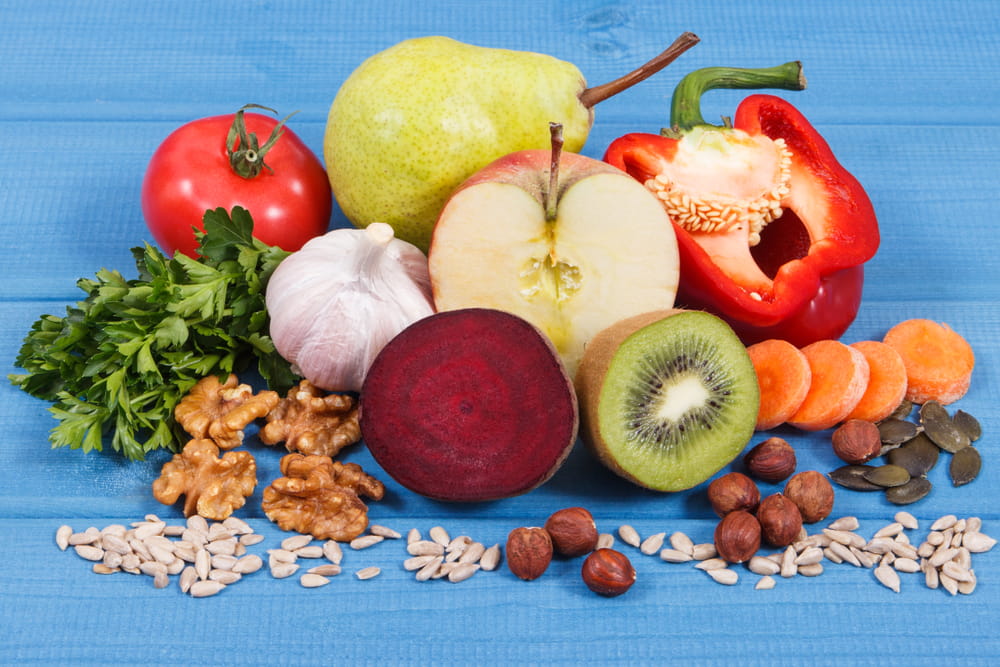
Fresh fruits and many vegetables typically contain relatively low phosphorus levels while providing fiber, vitamins, and antioxidants. Apples, berries, grapes, cucumbers, lettuce, and peppers are examples of foods that often fit well into kidney-conscious eating patterns.
Refined grains such as white rice, pasta, and certain breads may contain less phosphorus than whole grain varieties. Although whole grains offer many nutritional benefits, individuals managing phosphorus intake may sometimes choose refined grain options in moderation.
Protein choices can also be adjusted to help balance phosphorus intake. Eggs and certain lean protein sources may provide protein while contributing moderate phosphorus levels when consumed in appropriate portions.
In addition to food choices, preparation methods, and meal planning can influence phosphorus intake. Cooking meals at home using fresh ingredients often makes it easier to control phosphorus sources compared with relying heavily on processed foods.
Balanced meal planning that includes a variety of lower-phosphorus foods helps support both nutritional adequacy and kidney health.
Recognizing Phosphorus Additives in Processed Foods
One of the challenges of managing phosphorus intake is that many processed foods contain phosphorus additives that are not immediately obvious. These additives are often included to improve flavor, texture, shelf life, or color.
Phosphorus additives may appear on ingredient labels with terms that include “phosphate.” Examples include calcium phosphate, sodium phosphate, phosphoric acid, and pyrophosphate. When these ingredients appear on food labels, they may indicate the presence of added phosphorus.
Because phosphorus additives are highly absorbable, they may contribute significantly to total phosphorus intake. Even foods that might otherwise appear low in phosphorus can become substantial sources if additives are present.
Reading ingredient lists carefully can help individuals identify products containing phosphorus additives. Choosing fresh foods or minimally processed options when possible may help reduce overall phosphorus consumption.
Awareness of food labels can make a meaningful difference when trying to manage phosphorus intake as part of a kidney-conscious diet.
Practical Tips for Following a Low-Phosphorus Diet
Building a diet that supports kidney health does not necessarily mean eliminating large groups of foods. Instead, it often involves mindful choices, portion awareness, and an understanding of how different foods contribute to phosphorus intake.
Some practical strategies that may help support phosphorus management include:
- Choosing fresh foods more often than heavily processed products
- Checking ingredient labels for phosphorus additives
- Balancing protein intake according to individual health guidance
- Incorporating fruits and vegetables into daily meals
- Paying attention to the portion sizes of higher-phosphorus foods
These strategies can help individuals build sustainable eating patterns that align with kidney health goals.
People managing chronic kidney disease often benefit from individualized dietary guidance, since nutritional needs can vary depending on the stage of kidney disease and other health conditions. Exploring kidney disease management can help individuals better understand how diet interacts with kidney health over time.
Supporting Kidney Health Through Dietary Awareness
Diet plays an important role in supporting overall kidney wellness. While phosphorus is only one of many nutrients that may require attention in CKD, understanding how it affects the body can help individuals make more informed food choices.
A balanced approach to eating often involves combining nutrient awareness with practical lifestyle habits such as regular hydration, physical activity, and routine medical monitoring. Together, these factors support the body’s ability to maintain healthy metabolic balance.
As research continues to expand knowledge about kidney nutrition, patients and healthcare providers can work together to identify dietary approaches that support long-term kidney health while still allowing flexibility and variety in everyday meals.
Information from Nephrology Associates of Northern Illinois and Indiana (NANI) helps individuals learn how nutritional choices, including phosphorus intake, can influence kidney function and overall wellness for those managing chronic kidney disease.
Sources
Calvo, M. S., & Uribarri, J. (2013). Public health impact of dietary phosphorus excess on bone and cardiovascular health in the general population. American Journal of Clinical Nutrition.
Cupisti, A., & Kalantar-Zadeh, K. (2013). Management of natural and added dietary phosphorus burden in kidney disease. Seminars in Nephrology.
Moe, S. M., & Drüeke, T. (2008). Management of mineral and bone disorders in chronic kidney disease. Lancet.