Sodium is an essential nutrient, but consuming too much of it can place significant strain on the kidneys. For individuals in Berwyn and North Chicago, Illinois, as well as Bergen, New Jersey, understanding how sodium affects kidney health is an important step toward long-term prevention. Nephrology Associates of Northern Illinois and Indiana (NANI) supports kidney health education across these communities, guided by experienced providers including Samuel Agahiu MD, Emmanuelle Gilles MD, Louis Jan MD, and Marc Zelkowitz MD in Bergen; Matthew Anderson MD, Rajiv Gandhi MD, Andrew Kowalski, MPH, FASN MD, and Joanne Wheaton APRN, FNP-C in Berwyn; and Ernest Cabrera MD, John Travis Ludwig MD, Khaleel Sayeed MD, and Ashwin Shetty MD in North Chicago.
Modern diets often contain far more sodium than the body needs. Processed foods, restaurant meals, and packaged snacks are major contributors. While sodium helps regulate fluid balance and nerve function, excess intake forces the kidneys to work harder to maintain equilibrium. Over time, this increased workload can contribute to high blood pressure, kidney damage, and progression of chronic kidney disease (CKD).
The Kidneys’ Role in Sodium Balance
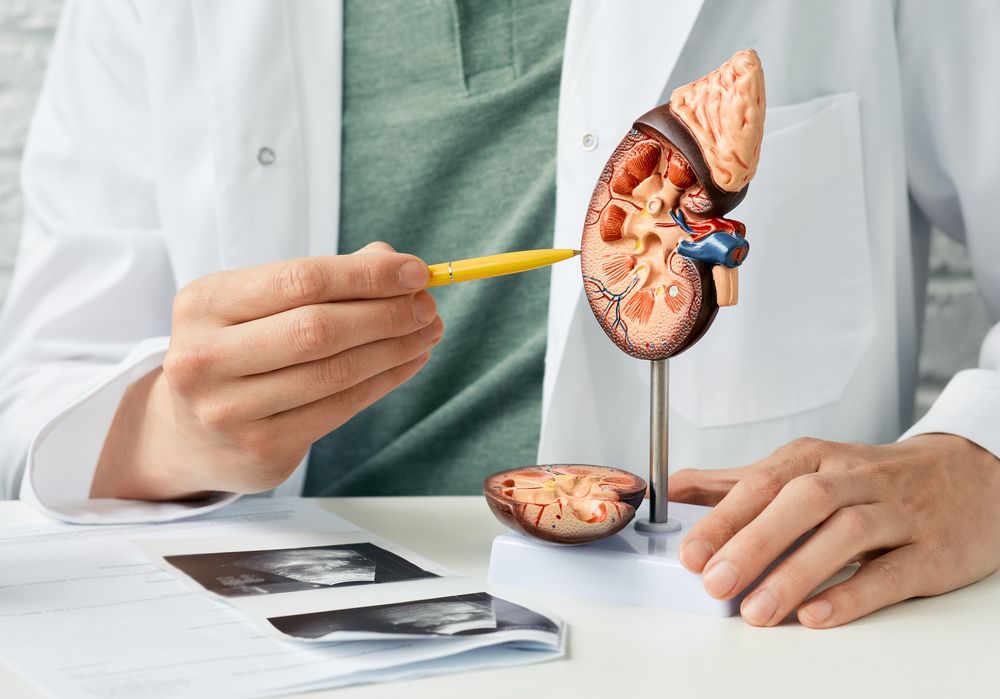
The kidneys are responsible for filtering excess sodium from the bloodstream and excreting it through urine. When sodium intake is moderate, this process occurs efficiently. However, when sodium consumption is consistently high, the kidneys must filter larger volumes of sodium, increasing stress on delicate filtering structures.
Excess sodium also causes the body to retain water. This increases blood volume, raising blood pressure and placing additional pressure on the small blood vessels within the kidneys. Over time, these vessels can become damaged or scarred, reducing the kidneys’ ability to filter waste effectively.
To better understand how kidney filtration works and why sodium balance matters, individuals may explore kidney function education, which explains how healthy kidneys regulate fluids and electrolytes.
How High Sodium Intake Contributes to Kidney Damage
High sodium intake is closely linked to hypertension, one of the leading causes of kidney disease. Persistent high blood pressure damages the kidney’s filtering units, reducing their efficiency and accelerating CKD progression. Even individuals without diagnosed kidney disease may experience gradual kidney stress when sodium intake remains excessive for long periods.
Sodium can also worsen proteinuria, a condition in which protein leaks into the urine. Proteinuria is a key marker of kidney damage and an early indicator of CKD. Elevated sodium intake increases pressure within the kidneys, making protein leakage more likely and further harming kidney tissue.
For individuals already living with kidney disease, high sodium intake may worsen swelling, increase fluid retention, and make blood pressure more difficult to control. Understanding how sodium fits into overall kidney disease management can be supported through kidney disease education.
Common Sources of Excess Sodium in the Diet
Many people associate sodium primarily with table salt, but most dietary sodium comes from processed and packaged foods. Canned soups, frozen meals, deli meats, cheeses, sauces, breads, and snack foods often contain high sodium levels. Restaurant meals, particularly fast food, are also significant contributors.
Even foods that do not taste salty can contain large amounts of sodium. Reading nutrition labels helps individuals identify hidden sodium sources and make more informed choices. Over time, reducing reliance on processed foods and choosing fresh ingredients can significantly lower sodium intake.
Learning how to build meals that support kidney health can be reinforced through kidney diet guidance, which provides practical strategies for reducing sodium while maintaining flavor and nutritional balance.
How Reducing Sodium Protects Kidney Health
Lowering sodium intake reduces blood pressure, decreases fluid retention, and eases the workload placed on the kidneys. These benefits are especially important for individuals with diabetes, hypertension, or early-stage CKD, but they also support kidney health in the general population.
When sodium intake decreases, blood vessels experience less pressure, helping preserve kidney filtration structures. Reduced sodium also improves responsiveness to blood pressure medications and supports better fluid balance, lowering the risk of swelling and shortness of breath.
Taste preferences adapt over time. As sodium intake decreases, individuals often find that natural flavors become more noticeable, making it easier to maintain lower-sodium habits long term.
Practical Strategies for Lowering Sodium Intake
Reducing sodium does not require eliminating flavor. Simple strategies include cooking more meals at home, using herbs and spices instead of salt, choosing fresh or frozen vegetables over canned options, and selecting low-sodium versions of packaged foods when available.
Planning meals ahead of time helps avoid reliance on convenience foods, which are often high in sodium. Gradual changes tend to be more sustainable than sudden restrictions, allowing taste preferences to adjust naturally.
For individuals managing kidney disease or high blood pressure, sodium reduction is one of the most effective lifestyle steps for protecting long-term kidney function.
Supporting Long-Term Kidney Health Through Awareness
High sodium intake is a modifiable risk factor for kidney damage. By understanding how excess sodium affects blood pressure, fluid balance, and kidney filtration, individuals can take meaningful steps to protect their health. Awareness, combined with consistent dietary habits, supports kidney resilience over time.
For residents in Berwyn, North Chicago, and Bergen, Nephrology Associates of Northern Illinois and Indiana (NANI) continues to provide education that helps individuals understand how dietary choices influence kidney health. Through sodium awareness and thoughtful nutrition, individuals can reduce their risk of kidney damage and support long-term wellness.
Sources
He FJ, MacGregor GA (2011). Salt intake, hypertension, and kidney disease. Kidney International.
Jafar TH, Levey AS (2006). Sodium intake and progression of chronic kidney disease. American Journal of Kidney Diseases.
Appel LJ, Frohlich ED (2011). Reducing sodium to protect kidney health. New England Journal of Medicine.