
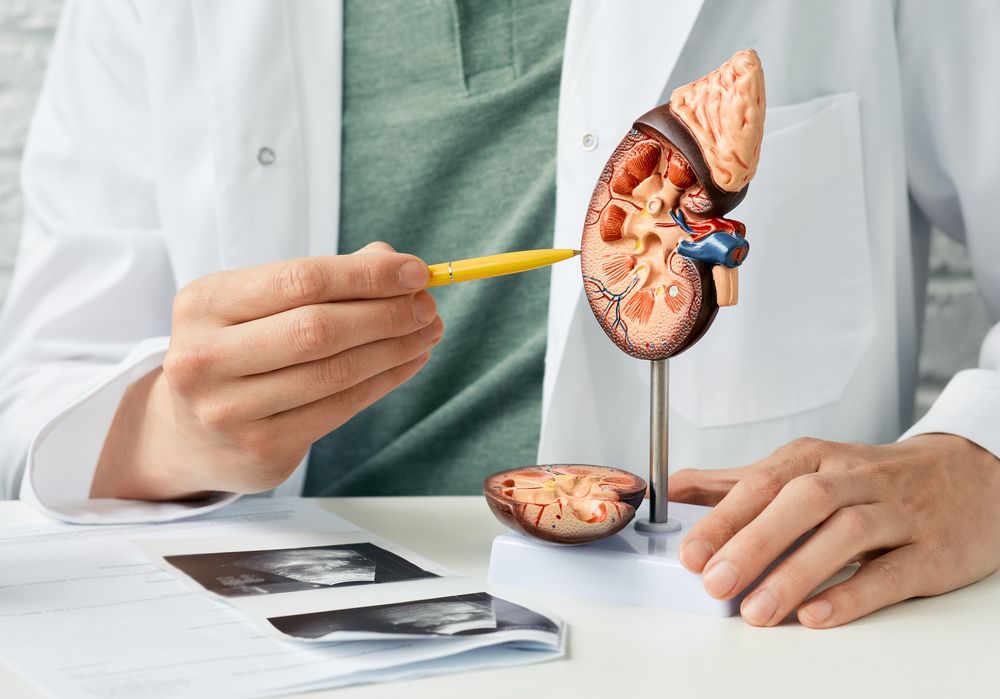
Considering Clinical Research as Part of Kidney Care
Clinical trials help researchers study new medications, treatment strategies, devices, and approaches to kidney care. For patients, participation may provide an opportunity to contribute to medical research while receiving study-specific monitoring and follow-up.
Not every person with kidney disease will qualify for every trial. Each study has its own eligibility requirements based on the condition being researched, the treatment being tested, and the safety considerations built into the study protocol.
Nephrology Associates of Northern Illinois and Indiana (NANI) conducts Phase II–IV clinical research in nephrology at multiple locations. For patients interested in participating, the first step is generally determining whether a current study matches their diagnosis and medical history.
What Determines Clinical Trial Eligibility?
Clinical trials use inclusion and exclusion criteria to determine who can safely participate and whether a person fits the population the researchers need to study.
Inclusion criteria describe characteristics a participant generally must have. Exclusion criteria identify circumstances that may make participation inappropriate or interfere with the study results.
These requirements are not designed to judge whether someone is a “good” or “bad” candidate for research overall. A person may not qualify for one study but may be appropriate for another.
For kidney studies, eligibility may depend on factors such as the specific diagnosis, disease stage, laboratory measurements, treatment history, age, other health conditions, and medications.
The Kidney Diagnosis Often Matters
Clinical trials usually focus on a clearly defined patient population. One study may investigate chronic kidney disease associated with diabetes, while another may focus on glomerular disease, resistant hypertension, anemia, or another kidney-related condition.
Researchers need to know that participants have the condition the study is designed to investigate. Medical records, previous laboratory results, imaging, or biopsy reports may therefore be reviewed during screening.
Patients who are still undergoing evaluation for an unexplained kidney abnormality may not fit the criteria of a study requiring a confirmed diagnosis.
Understanding the underlying kidney disease can therefore become an important part of determining whether a particular research protocol applies.
Why Laboratory Results May Affect Eligibility
Kidney research frequently relies on specific laboratory ranges to define who can participate.
Estimated glomerular filtration rate, or eGFR, may be particularly important because it reflects kidney filtration. Some trials investigate people within a particular stage of chronic kidney disease, meaning the protocol may set minimum and maximum eGFR requirements.
Urine albumin or protein levels can also matter. A study investigating proteinuric kidney disease, for example, may require participants to have a certain amount of persistent albumin or protein in the urine.
Other laboratory measurements may include potassium, hemoglobin, liver enzymes, blood counts, or blood glucose. Which tests matter depends entirely on the study.
A laboratory value outside the required range does not necessarily indicate poor overall health. It may simply mean that the person does not match the population being studied.
Common Areas Reviewed During Screening
Research screening often involves a detailed review of medical information before enrollment can occur.
Depending on the protocol, the research team may consider:
- The type and stage of kidney disease
- Recent eGFR and urine protein results
- Current and previous medications
- Prior procedures or kidney treatments
- Diabetes and blood pressure history
- Cardiovascular or liver conditions
- Recent hospitalizations or infections
- Participation in another clinical trial
- Ability to attend required study visits
- Other study-specific safety requirements
Some studies have narrow criteria, while others include a broader range of participants.
How Treatment History Can Influence Participation
Current and previous medications can affect trial eligibility for several reasons. Researchers may need to know whether a participant has already tried the treatment being studied, whether another medication could interfere with it, or whether certain drugs must remain stable before enrollment.
For example, a protocol may require blood pressure medications to remain unchanged for a set period before screening. Another study may exclude patients taking a medication that could affect the laboratory measurement being investigated.
Patients should provide the research team with a complete medication list, including prescriptions, over-the-counter drugs, vitamins, and supplements.
They should not stop or change medications in an effort to qualify for a study unless instructed by their healthcare team.
What Happens During the Screening Process?
Screening helps the research team compare a potential participant’s health information with the study protocol.
The process may begin with a phone conversation, questionnaire, or review of existing medical records. If the patient appears potentially eligible, additional screening appointments may follow.
These visits may include a medical history, physical examination, blood and urine testing, review of medications, and other study-specific assessments.
NANI’s clinical research program conducts nephrology studies and provides information for potential research participants. The exact screening process depends on the particular trial that is currently recruiting.
Passing an initial prescreen does not guarantee enrollment. Final eligibility may depend on laboratory results or additional evaluations.
Informed Consent Comes Before Participation
Before enrolling, potential participants receive information about the study through the informed consent process.
The research team explains the purpose of the study, what participation involves, how long it may last, which procedures are required, and what potential risks or benefits are known. Alternatives to participating should also be discussed.
Patients should have an opportunity to ask questions before deciding whether to join.
Signing an informed consent form does not remove a participant’s ability to make future decisions. Participation in clinical research is voluntary, and patients generally have the right to withdraw from a study according to the study procedures.
Clinical trials are research, so the main purpose is to answer a scientific question rather than guarantee a particular treatment benefit.
Clinical Research Does Not Replace Regular Kidney Care
Participating in a study does not eliminate the need for regular nephrology care. Patients still need monitoring for kidney function, blood pressure, medications, fluid balance, and other health concerns unrelated to the research protocol.
The study team may perform additional testing specifically for the trial, but those visits have a different purpose from routine clinical care.
Understanding kidney function can help patients make sense of why researchers may closely monitor eGFR, urine protein, electrolytes, or other laboratory measurements throughout a kidney study.
Communication between the research team and the patient’s regular physicians may also be important when medication changes, hospitalizations, or new health conditions occur.
What If You Do Not Qualify?
Not qualifying for a study does not mean that a patient has done anything wrong or that their kidney condition is not important.
Clinical trials are designed around specific research questions. Researchers may need participants within a narrow age range, kidney function range, diagnosis, or treatment history so the results can be interpreted accurately.
A person who is excluded from one trial may qualify for a different study later. Research opportunities can also change as studies complete enrollment and new protocols begin.
Patients who remain interested can ask whether other current or upcoming studies may be relevant.
Questions to Ask the Research Team
Patients considering a kidney clinical trial may want to understand the time commitment and study requirements before enrolling.
Useful topics to discuss include how often visits occur, whether additional blood or urine testing is required, whether there are study medications, how regular prescriptions will be handled, and whom to contact if a health problem develops.
Patients may also ask which costs are covered by the study and which remain part of routine healthcare.
Understanding these practical details can help a patient decide whether participation fits their medical needs, schedule, and personal preferences.
Exploring Research Opportunities at NANI
Clinical trial eligibility is highly individualized. Having chronic kidney disease does not automatically make someone eligible, and being excluded from one protocol does not rule out participation in future research.
Diagnosis, laboratory results, treatment history, other medical conditions, and the specific requirements of the study all influence screening decisions.
NANI conducts Phase II–IV nephrology clinical trials through its clinical research program. Patients interested in research can ask whether an actively recruiting study may match their kidney condition and what screening would involve.
For individuals receiving kidney care through NANI, research participation can be considered alongside—not instead of—ongoing nephrology treatment and monitoring.
Sources
Inker, L. A., Astor, B. C., Fox, C. H., et al. (2014). KDOQI US commentary on the 2012 KDIGO clinical practice guideline for the evaluation and management of CKD. American Journal of Kidney Diseases.
Levey, A. S., Eckardt, K. U., Dorman, N. M., et al. (2020). Nomenclature for kidney function and disease: Executive summary and glossary from a Kidney Disease: Improving Global Outcomes consensus conference. Kidney International.
Baigent, C., Herrington, W. G., Coresh, J., et al. (2017). Challenges in conducting clinical trials in nephrology: Conclusions from a Kidney Disease—Improving Global Outcomes controversies conference. Kidney International.