
Acute kidney injury (AKI) is a sudden decline in kidney function that can develop over hours or days. Unlike chronic kidney disease, which progresses gradually, AKI happens quickly and often in response to illness, dehydration, infection, or medication effects. For individuals in Berwyn and North Chicago, IL, as well as Bergen, NJ, understanding the warning signs of AKI can support faster recognition and timely medical attention.
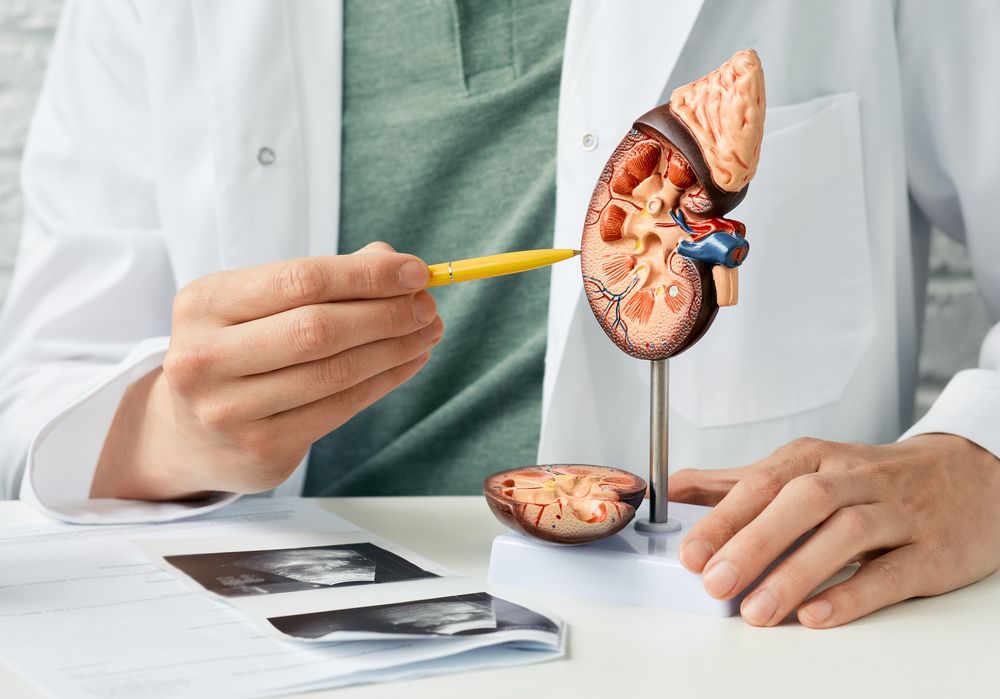
AKI occurs when the kidneys suddenly lose their ability to filter waste and balance fluids effectively. Because the kidneys play a central role in regulating electrolytes, blood pressure, and fluid levels, rapid changes in function can affect multiple systems throughout the body. Learning how AKI develops and how it differs from chronic kidney disease helps individuals better understand when symptoms require urgent evaluation.
What Causes Acute Kidney Injury?
AKI can result from three primary categories of causes: reduced blood flow to the kidneys, direct kidney damage, or blockage of urine flow. Reduced blood flow may occur during severe dehydration, major blood loss, heart failure, or severe infection. When blood flow decreases, the kidneys cannot receive the oxygen and nutrients they need to function properly.
Direct kidney damage can occur from certain medications, toxins, severe infections, or autoimmune conditions. Some medications, particularly when combined with dehydration or pre-existing kidney disease, may increase the risk of sudden kidney injury. Urinary obstruction—such as kidney stones, enlarged prostate, or tumors—can also lead to AKI by preventing urine from draining properly.
Understanding how kidney disease develops over time can provide context for why individuals with chronic kidney disease are at higher risk for AKI. Educational tools, like the kidney disease information guide, explain how existing kidney damage can make sudden injury more likely.
Warning Signs of Acute Kidney Injury
Symptoms of AKI may vary depending on severity and underlying cause. Some individuals experience decreased urine output, while others may notice swelling in the legs, ankles, or around the eyes due to fluid retention. Fatigue, confusion, nausea, or shortness of breath may also develop as waste products accumulate in the bloodstream.
In more severe cases, chest discomfort or irregular heart rhythms may occur due to electrolyte imbalances. Because AKI can develop rapidly, symptoms may appear suddenly and worsen quickly. In some situations, AKI is detected through routine blood tests before symptoms become obvious.
Learning how kidney filtration normally functions can help individuals recognize why sudden changes are concerning. Kidney function education provides insight into how healthy kidneys maintain balance and what happens when filtration declines abruptly.
How Acute Kidney Injury Is Diagnosed
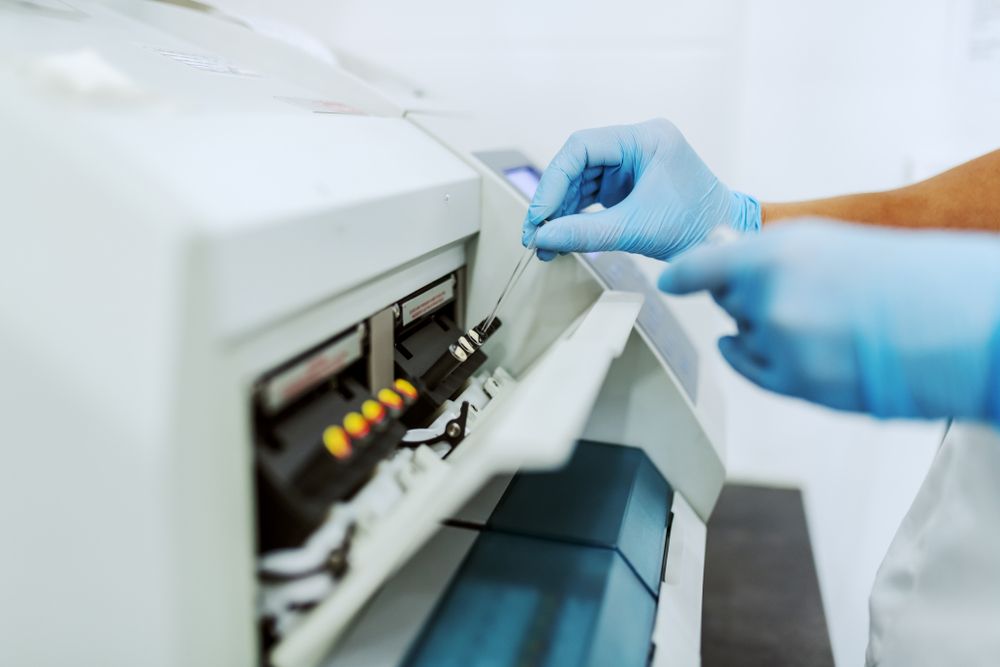
AKI is typically diagnosed through blood and urine tests that measure kidney filtration markers, including serum creatinine and urine output. Rapid rises in creatinine levels often indicate declining kidney function. Additional tests, such as imaging studies, may help identify blockages or structural concerns.
Providers also review recent illnesses, medication use, and hydration status to determine the likely cause. Identifying the cause is essential because treatment depends on the underlying issue. In many cases, AKI can improve when the triggering factor—such as dehydration or infection—is treated promptly.
Understanding how kidney protection strategies reduce risk can be supported through kidney protection resources, which outline habits that help maintain kidney stability during illness or stress.
Treatment and Recovery From AKI
Treatment for AKI focuses on addressing the underlying cause while supporting kidney function. This may involve restoring hydration, treating infections, adjusting medications, or relieving urinary blockages. In severe cases, temporary dialysis may be necessary to remove waste and excess fluid while the kidneys recover.
Recovery varies depending on the severity of injury and overall health. Some individuals regain full kidney function, while others may experience partial recovery or progression to chronic kidney disease. Early recognition and prompt treatment improve the likelihood of better outcomes.
Individuals who have experienced AKI may require ongoing monitoring to ensure kidney function stabilizes. Follow-up testing helps track recovery and identify any long-term effects.
Reducing the Risk of Acute Kidney Injury
Preventing AKI involves maintaining adequate hydration, especially during illness or periods of increased fluid loss. Individuals should seek medical advice when experiencing prolonged vomiting, diarrhea, or fever, as these conditions can quickly lead to dehydration.
Reviewing medications with healthcare providers is also important, particularly for individuals with pre-existing kidney disease or heart conditions. Avoiding unnecessary use of non-prescription pain relievers and staying alert to symptoms of infection can reduce risk.
For residents in Berwyn, North Chicago, and Bergen, Nephrology Associates of Northern Illinois and Indiana (NANI) continues to provide education that helps individuals recognize the warning signs of acute kidney injury and understand when urgent evaluation is necessary.
Nephrology Associates of Northern Illinois and Indiana (NANI) provides kidney health education across these communities, guided by experienced providers such as Samuel Agahiu MD, Emmanuelle Gilles MD, Louis Jan MD, and Marc Zelkowitz MD in Bergen; Matthew Anderson MD, Rajiv Gandhi MD, Andrew Kowalski, MPH, FASN MD, and Joanne Wheaton APRN, FNP-C in Berwyn; and Ernest Cabrera MD, John Travis Ludwig MD, Khaleel Sayeed MD, and Ashwin Shetty MD in North Chicago.
With awareness and timely care, many cases of AKI can be treated effectively, supporting long-term kidney health and overall well-being.
Sources
Kellum JA, Lameire N (2013). Diagnosis, evaluation, and management of acute kidney injury. Kidney International.
Lewington AJP, Cerda J (2013). Acute kidney injury. The Lancet.
Hoste EAJ, Kellum JA (2006). Epidemiology of acute kidney injury. Clinical Journal of the American Society of Nephrology.