
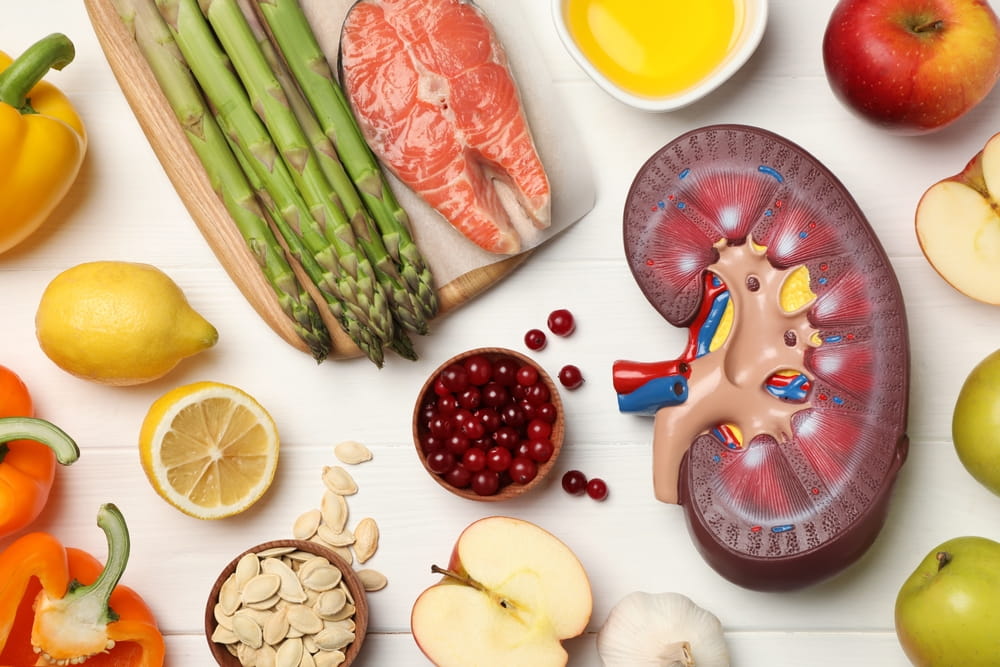
Building a kidney-friendly diet begins at the grocery store. The foods placed in a shopping cart directly influence blood pressure, blood sugar, fluid balance, and overall kidney function. For individuals in Berwyn and North Chicago, Illinois, as well as Bergen, New Jersey, learning how to shop intentionally can make kidney-smart eating both practical and sustainable. Nephrology Associates of Northern Illinois and Indiana (NANI) supports education across these communities, guided by experienced providers including Samuel Agahiu MD, Emmanuelle Gilles MD, Louis Jan MD, and Marc Zelkowitz MD in Bergen; Matthew Anderson MD, Rajiv Gandhi MD, Andrew Kowalski, MPH, FASN MD, and Joanne Wheaton APRN, FNP-C in Berwyn; and Ernest Cabrera MD, John Travis Ludwig MD, Khaleel Sayeed MD, and Ashwin Shetty MD in North Chicago.
A kidney-friendly grocery list focuses on fresh, balanced foods that reduce sodium, moderate certain minerals when necessary, and support steady energy levels. With thoughtful planning, grocery shopping becomes a powerful preventive tool that supports long-term kidney health.
Start in the Produce Section
Fresh fruits and vegetables are foundational to a kidney-friendly diet. Many fruits, including apples, berries, grapes, and pears, provide fiber and antioxidants without excessive sodium. Vegetables like cabbage, cauliflower, bell peppers, zucchini, and green beans offer vitamins and nutrients that support overall health.
Depending on kidney function, some individuals may need to monitor potassium intake. However, this varies by stage of kidney disease. Learning how nutritional needs change over time can be supported through kidney disease information, which explains how CKD progression influences dietary recommendations.
Choosing fresh or frozen produce without added sauces or salt is often preferable to canned options. If canned vegetables are used, rinsing them under water can help reduce sodium content.
Choose Lean Proteins Wisely
Protein is essential for maintaining muscle and overall health, but moderation may be important for individuals with certain stages of kidney disease. Lean options such as skinless poultry, fish, eggs, tofu, and small portions of beans can provide high-quality protein without excessive saturated fat.
Fish such as salmon and trout offer heart-healthy fats that support circulation and reduce inflammation. Because heart and kidney health are closely connected, balanced protein choices can benefit both systems.
For individuals who are unsure how much protein is appropriate, educational tools such as kidney diet guidance provide insight into portion sizes and nutrient balance.
Be Mindful of Sodium in Packaged Foods
One of the most important aspects of kidney-friendly shopping is reducing sodium. Many packaged and processed foods contain hidden salt, even when they do not taste particularly salty. Reading nutrition labels is essential. Choosing products labeled “low sodium,” “no salt added,” or “reduced sodium” can significantly lower daily intake.
Common high-sodium items include deli meats, canned soups, frozen meals, snack foods, sauces, and salad dressings. Opting for fresh ingredients and preparing meals at home allows greater control over sodium levels.
Understanding how sodium affects kidney filtration and blood pressure can be reinforced through kidney function education, which explains how excess sodium increases strain on the kidneys.
Whole Grains and Smart Carbohydrates
Whole grains such as brown rice, oats, quinoa, and whole-grain pasta provide fiber and help stabilize blood sugar. For individuals with diabetes—a major risk factor for kidney disease—choosing complex carbohydrates over refined options helps support metabolic balance.
Bread products can sometimes contain significant sodium, so reading labels is helpful. Selecting lower-sodium versions and watching portion sizes can make a meaningful difference over time.
Balancing carbohydrates with protein and healthy fats also helps maintain steady energy levels, which supports overall well-being.
Healthy Fats and Dairy Alternatives
Healthy fats, including olive oil, avocados, nuts, and seeds, support heart health and reduce inflammation. Because cardiovascular health and kidney health are closely linked, these fats play an important role in a kidney-friendly grocery list.
Dairy products may need moderation depending on phosphorus levels and kidney stage. Some individuals may benefit from choosing smaller portions or exploring fortified plant-based alternatives without added phosphorus additives.
Carefully reviewing ingredient lists for hidden phosphorus additives is especially important for individuals with advanced kidney disease.
Plan Ahead for Success
Creating a grocery list before shopping reduces impulse purchases and supports consistent kidney-friendly habits. Planning meals for the week ensures balanced ingredients are available and reduces reliance on high-sodium convenience foods.
Shopping the perimeter of the grocery store—where fresh produce, proteins, and dairy are typically located—often leads to healthier choices. Bringing a list based on simple, whole-food ingredients can make kidney-friendly eating feel manageable and sustainable.
Hydration is another key component of kidney health. Adding water-rich fruits and vegetables to the cart supports fluid balance and helps the kidneys function efficiently.
Supporting Kidney Health One Cart at a Time
A kidney-friendly grocery shopping routine transforms nutrition into a proactive form of kidney protection. By choosing fresh produce, lean proteins, whole grains, and low-sodium products, individuals can reduce kidney strain and support long-term wellness.
Berwyn residents in North Chicago can continue their education in kidney health and feel empowered to make informed, sustainable dietary choices. With thoughtful planning and smart grocery habits, supporting kidney function becomes part of everyday life. Nephrology Associates of Northern Illinois and Indiana (NANI) continues to provide support for those looking for guidance.
Sources
Kalantar-Zadeh K, Fouque D (2017). Nutritional management of chronic kidney disease. New England Journal of Medicine.
Cupisti A, Brunori G (2011). Dietary approaches to kidney disease prevention. Journal of Renal Nutrition.
Ikizler TA (2013). Nutrition therapy in chronic kidney disease. Kidney International.