Preparing for a first nephrology appointment often brings a mix of curiosity and uncertainty. For individuals in Bergen, New Jersey, understanding what happens during this visit helps reduce stress and encourages more meaningful conversations about long-term kidney health. Nephrology Associates of Northern Illinois and Indiana (NANI) provides care throughout the region, with dedicated Bergen providers including Samuel Agahiu MD, Emmanuelle Gilles MD, Louis Jan MD, and Marc Zelkowitz MD. Their experience supporting individuals through early kidney evaluations helps patients feel more confident as they begin learning about their kidney function.
A first nephrology visit is an opportunity to explore symptoms, review laboratory results, and gain a clearer understanding of how the kidneys are functioning. Because kidney disease often progresses quietly, early evaluation creates a strong foundation for long-term awareness and prevention. Educational tools such as nephdocs.com help individuals prepare by offering information about kidney function, screening, and wellness.
Reviewing History, Symptoms, and Risk Factors
The first step in a nephrology evaluation involves a detailed conversation about personal and family medical history. This discussion helps providers understand the factors that may influence kidney function, such as high blood pressure, diabetes, autoimmune conditions, or a history of kidney stones. Individuals who have recently noticed new symptoms—such as swelling, fatigue, or changes in urination—will have the opportunity to discuss these in depth.
Providers may also ask about medications, including over-the-counter pain relievers or supplements, since some of these substances can affect kidney function. Lifestyle factors such as hydration habits, dietary patterns, and blood pressure history also play an important role. These conversations form the foundation for interpreting test results and planning follow-up evaluations.
This initial dialogue not only helps the provider gather essential information but also encourages individuals to become active participants in their kidney health journey.
Understanding Lab Tests and Kidney Function Measurements
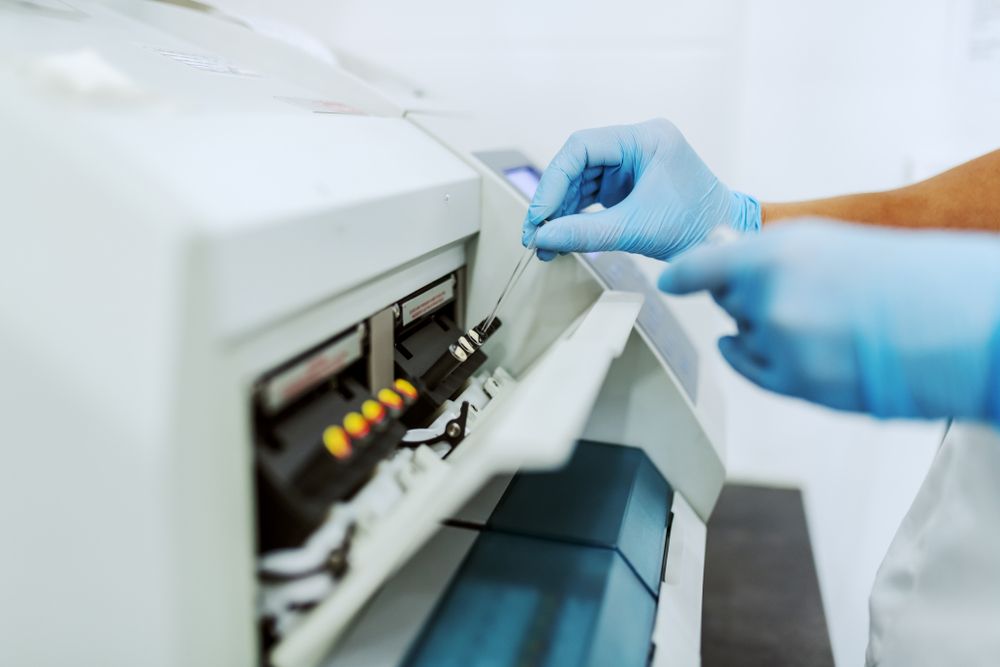
A significant part of the first nephrology visit involves reviewing laboratory results. These tests offer insight into how well the kidneys are filtering waste, balancing electrolytes, and supporting overall health. Common evaluations include estimated glomerular filtration rate (eGFR), urine albumin levels, serum creatinine, and electrolyte measurements.
Understanding these results helps individuals recognize early signs of kidney stress. When abnormalities appear, they allow the provider to identify potential causes and determine whether further testing is needed. For individuals who want to explore these measurements ahead of time, kidney function education provides helpful background information.
Providers may also discuss how certain health conditions influence kidney results. For example, elevated blood pressure or high blood sugar can gradually impact filtration ability. Identifying these connections early helps individuals understand how to support their kidney health through targeted lifestyle adjustments.
What Happens During the Physical Examination
A nephrology visit often includes a brief physical exam focused on signs that may reflect kidney function. The provider may check blood pressure, review heart and lung sounds, look for swelling in the legs or around the eyes, and assess hydration status. These observations help build a clearer picture of how the kidneys are responding to daily routines.
Although the physical examination is typically straightforward, it adds important context to lab findings. Combined with a thorough history and symptom review, this assessment helps the provider identify patterns that may require monitoring or follow-up.
How Providers Build a Follow-Up Plan
After reviewing medical history, symptoms, laboratory results, and physical findings, the nephrologist develops a plan tailored to the individual’s needs. This plan may include additional tests, such as imaging or repeat lab work, as well as recommendations related to hydration, blood pressure control, nutrition, or lifestyle adjustments.
For individuals interested in learning more about kidney disease, early detection, and risk factors, kidney disease insights provides valuable information. Understanding the broader context of kidney health helps individuals feel more prepared as they move into follow-up care and ongoing monitoring.
Providers may also discuss the importance of regular screenings, especially for individuals with risk factors such as diabetes, hypertension, or a family history of kidney disease. These follow-up appointments ensure that any changes in kidney function are identified early and addressed promptly.
Creating a Comfortable and Educational First Visit
Many individuals feel more reassured after their first nephrology visit because they better understand their kidney function and what steps to take next. A supportive, educational approach helps patients build confidence and form a collaborative relationship with their provider. This partnership encourages open communication, informed decision-making, and long-term awareness.
For residents of Bergen, New Jersey, having access to knowledgeable nephrology providers offers clarity about kidney health and the opportunity to address concerns early. A first appointment provides valuable insight into kidney function and helps individuals learn how daily habits, medical conditions, and long-term trends shape overall wellness.
Building a Strong Foundation for Kidney Health
A first nephrology visit is more than an evaluation—it is the beginning of an ongoing journey toward understanding and protecting kidney function. Early awareness allows individuals to recognize what influences their kidney health and what steps may help support stability as they age.
Nephrology Associates of Northern Illinois and Indiana (NANI) remains committed to fostering this education, helping individuals in Bergen become more informed and confident about their kidney wellness. By knowing what to expect during the first appointment, patients can approach their visit with clarity and peace of mind, setting the stage for long-term kidney protection.
Sources
Manns B, Tonelli M (2012). The importance of early nephrology referral. Kidney International.
Miller WG (2009). Understanding kidney function tests. Clinical Chemistry.
O’Hare AM (2014). Kidney disease and primary evaluation. New England Journal of Medicine.