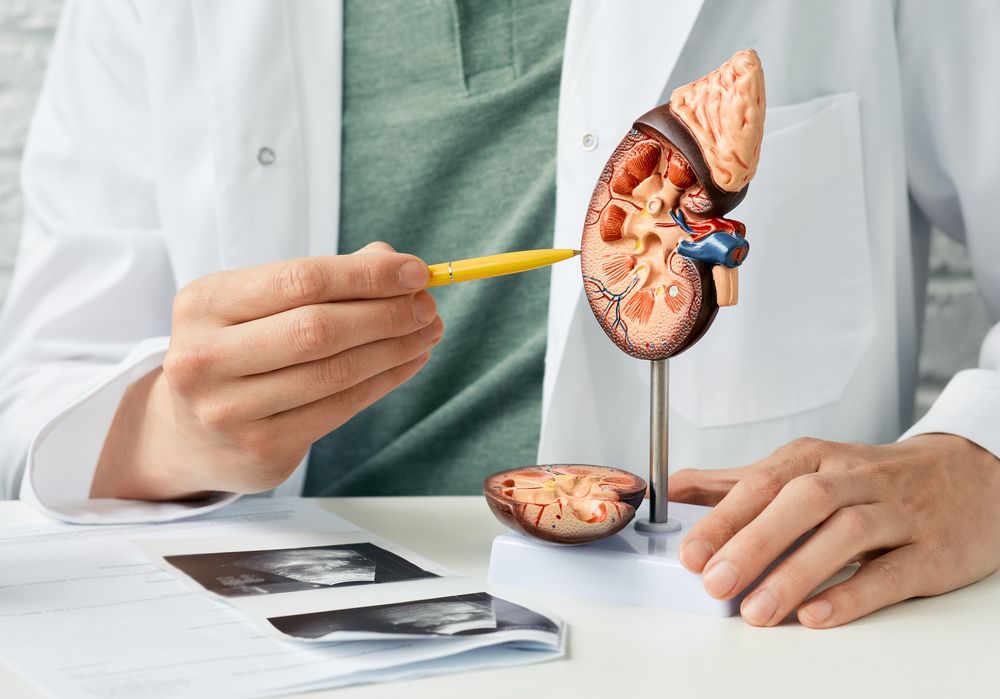

Your kidneys play a vital role in keeping your body healthy by filtering waste, balancing fluids, and supporting blood pressure regulation. Yet, many people don’t realize how much their weight and daily lifestyle habits directly impact kidney health. Carrying extra weight, eating a diet high in processed foods, or neglecting exercise can put unnecessary strain on these hardworking organs and increase the risk of chronic kidney disease. The good news is that making small, consistent lifestyle changes can go a long way toward protecting your kidneys and improving your overall well-being.
In This Blog:
- The Connection Between Weight and Kidney Health
- Lifestyle Factors That Influence Kidney Function
- Preventing Kidney Disease Through Healthy Habits
- Special Considerations for People with Diabetes or Hypertension
The Connection Between Weight and Kidney Health
Your body weight has a direct effect on how well your kidneys function. When you carry excess weight, your kidneys are forced to work harder to filter waste and maintain balance in your body. Over time, this extra workload can damage the tiny filtering units inside the kidneys, leading to reduced function.
Obesity is also one of the main risk factors for conditions like high blood pressure and type 2 diabetes, two of the leading causes of chronic kidney disease (CKD). High blood pressure can damage the delicate blood vessels in the kidneys, while diabetes can cause sugar to build up in the bloodstream, harming kidney tissue. Together, these conditions create a cycle that increases the chances of kidney disease developing or worsening.
Even modest weight loss can make a big difference. Research shows that losing as little as 5–10% of body weight can help lower blood pressure, improve blood sugar control, and reduce strain on the kidneys. Maintaining a healthy weight through balanced nutrition and regular exercise is one of the most powerful steps you can take to protect your kidney health.
Lifestyle Factors That Influence Kidney Function
Diet and Nutrition
What you eat plays a central role in kidney health. Diets high in sodium, processed foods, and added sugars can raise blood pressure and blood sugar, putting kidneys at risk. Over time, these habits may lead to kidney damage or worsen existing conditions like diabetes and hypertension.
On the other hand, a kidney-friendly diet includes plenty of fresh fruits, vegetables, whole grains, lean proteins, and healthy fats. Staying hydrated is equally important, as water helps your kidneys flush out toxins. By making thoughtful food choices, you can support both kidney health and overall wellness.
Physical Activity
Regular physical activity helps control weight, lower blood pressure, and improve circulation,all of which reduce stress on your kidneys. You don’t have to run marathons; even moderate activity like walking, swimming, or cycling for 30 minutes most days of the week makes a difference.
Exercise also supports heart health, which is closely linked to kidney health since both organs depend on strong blood vessels to function properly. The key is to find activities you enjoy and can do consistently.
Smoking and Alcohol
Both smoking and excessive alcohol use can harm your kidneys. Smoking damages blood vessels, making it harder for kidneys to filter waste effectively. It also increases the risk of high blood pressure and kidney cancer. Alcohol, when consumed heavily, can dehydrate the body and impair kidney function, especially if combined with other health issues.
Quitting smoking and moderating alcohol intake are powerful steps toward protecting your kidneys. For most people, limiting alcohol to no more than one drink per day (for women) or two drinks per day (for men) is recommended, though less is always better for kidney health.
Sleep and Stress Management
Your kidneys work around the clock, and poor sleep or chronic stress can interfere with their function. Sleep helps regulate hormones that affect blood pressure and metabolism, while stress can raise cortisol levels, leading to elevated blood pressure and blood sugar.
Prioritizing 7–9 hours of quality sleep each night, practicing relaxation techniques such as deep breathing, meditation, or yoga, and setting aside time for hobbies can all help reduce stress and support kidney health.
Preventing Kidney Disease Through Healthy Habits
Protecting your kidneys doesn’t always require drastic changes and it often comes down to building small, sustainable habits that support your overall health. Here are some practical steps you can take:
- Maintain a Healthy Weight: Even modest weight loss can significantly reduce the risk of diabetes and high blood pressure, which are major contributors to kidney disease. Focus on gradual, long-term changes instead of crash diets.
- Adopt Balanced Eating Patterns: Incorporate more whole foods, reduce processed foods, and watch your salt and sugar intake. Choosing meals rich in vegetables, lean proteins, and whole grains helps take pressure off your kidneys.
- Stay Active: Regular exercise not only helps with weight control but also strengthens your heart and circulation, reducing the strain on your kidneys. Aim for 150 minutes of moderate activity each week.
- Limit Harmful Substances: Cutting back on smoking, alcohol, and excess caffeine can prevent damage to kidney tissue and blood vessels.
- Stay Hydrated: Drinking adequate water helps your kidneys flush out waste effectively. For most people, 6–8 glasses a day is a good target, but your doctor may adjust this based on your individual needs.
- Get Regular Screenings: Simple blood and urine tests can help detect kidney issues early, before symptoms appear. Early detection often means more effective treatment.
By making these lifestyle choices part of your daily routine, you not only protect your kidneys but also improve your overall quality of life.
Special Considerations for People with Diabetes or Hypertension
If you have diabetes or high blood pressure, your kidneys need extra care. These two conditions are the leading causes of chronic kidney disease (CKD), and managing them well can greatly reduce the risk of kidney damage.
Diabetes and Kidney Health
High blood sugar can damage the tiny blood vessels inside your kidneys, making it harder for them to filter waste. Over time, this may lead to a condition called diabetic nephropathy. To protect your kidneys:
- Monitor blood sugar levels regularly.
- Follow a diabetes-friendly diet low in refined carbs and added sugars.
- Take prescribed medications or insulin as directed.
- Schedule routine kidney function tests, even if you feel well.
Hypertension (High Blood Pressure) and Kidney Health
High blood pressure can cause blood vessels in the kidneys to harden and narrow, reducing their ability to filter waste. This damage often happens silently, with no early symptoms. To lower your risk:
- Aim to keep blood pressure within your doctor’s recommended range.
- Reduce salt intake, as sodium raises blood pressure.
- Stay physically active and maintain a healthy weight.
- Take blood pressure medications as prescribed, without skipping doses.
Working with Your Care Team
If you have diabetes or hypertension, regular check-ins with your healthcare team are essential. Your Northern Chicago nephrologist can monitor kidney function, adjust medications, and provide personalized recommendations to keep your kidneys healthy. Early intervention is key and taking steps now can prevent serious complications later.
Conclusion
Your kidneys are vital organs that work tirelessly to keep your body in balance, yet they are often affected by weight, diet, and lifestyle choices. By maintaining a healthy weight, eating nutritious foods, staying active, and managing conditions like diabetes and high blood pressure, you can significantly reduce your risk of kidney disease and support long-term health. Small, consistent changes today can make a big difference in protecting your kidneys for the future.
At Nephrology Associates of Northern Illinois and Indiana (NANI), our experienced team of kidney specialists is dedicated to helping patients live healthier lives through personalized kidney care. With clinics located across Illinois, Indiana, and New Jersey, we make it easy for you to access expert nephrology services close to home. Whether you’re looking for preventive guidance, managing chronic kidney disease, or seeking specialized treatments, NANI is here to support you every step of the way.
Contact us today to schedule a consultation and take the first step toward protecting your kidney health.