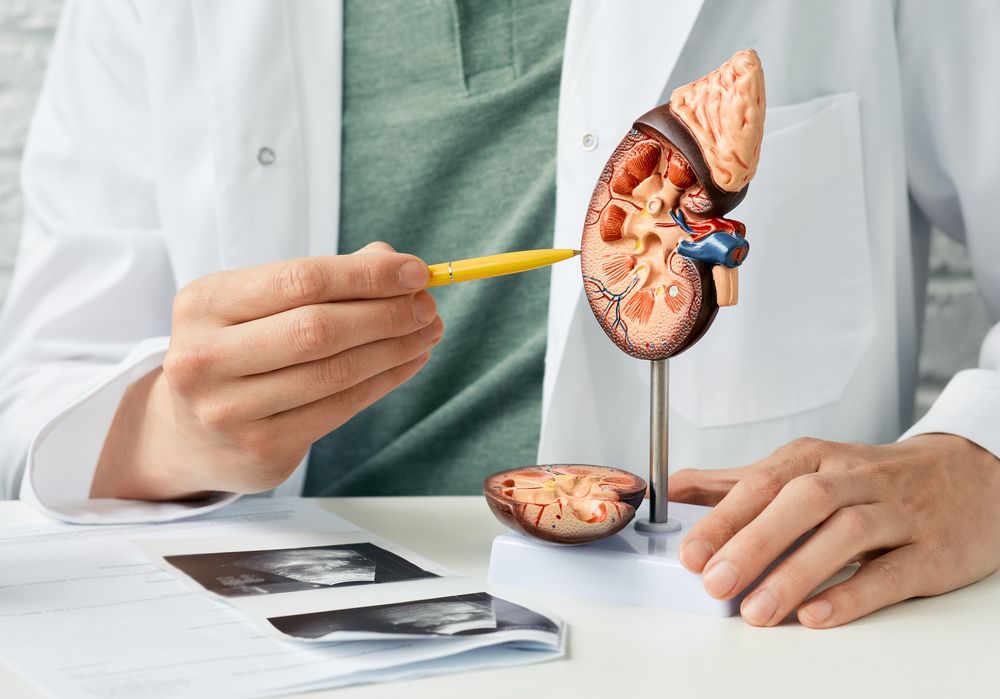
Nutrition plays a central role in long-term kidney health. For individuals in Berwyn and North Chicago, Illinois, as well as Bergen, New Jersey, understanding how food choices influence kidney function offers a meaningful opportunity for prevention. Nephrology Associates of Northern Illinois and Indiana (NANI) emphasizes the importance of nutrition education, supported by experienced clinicians across its many locations in Bergen, NJ, and Berwyn and North Chicago, IL.
While many people think of kidney disease as something influenced primarily by medical conditions such as diabetes or high blood pressure, daily nutrition significantly affects kidney workload. Choosing foods that support balanced blood pressure, stable blood sugar, and reduced inflammation helps protect kidney function over many years. Individuals who want to understand how diet supports kidney filtration may benefit from exploring kidney diet education as they learn how nutrition shapes long-term wellness.
Why Diet Matters for Kidney Protection
The kidneys perform essential tasks: filtering waste, balancing electrolytes, regulating fluid levels, and supporting overall metabolic stability. Food influences each of these processes. High sodium intake can elevate blood pressure, increasing strain on kidney vessels. Diets high in processed foods may cause inflammation or alter fluid balance. Excess protein may increase kidney workload in certain individuals, while insufficient hydration affects filtering efficiency.
Nutrition also influences the underlying conditions that lead to kidney disease. Diabetes and hypertension—two leading causes of CKD—are strongly affected by diet. Improving nutritional habits helps individuals manage blood sugar, support healthy blood pressure, and reduce the long-term stress placed on the kidneys.
Understanding diet as a preventive tool empowers individuals to make choices that preserve kidney health throughout adulthood. For those early in their kidney wellness journey, resources such as kidney function information offer valuable context on how kidneys respond to daily nutritional patterns.
Foods That Support Kidney Health
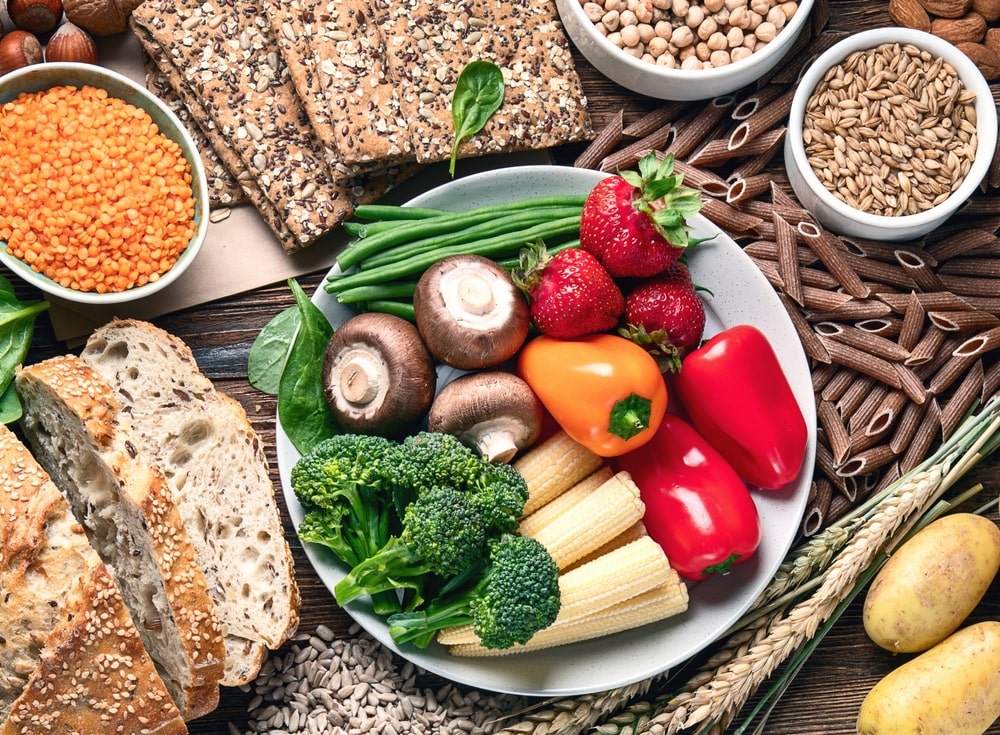
Kidney-protective nutrition is not about restriction alone—it is about choosing supportive foods consistently and sustainably. Many foods naturally promote hydration, reduce sodium intake, stabilize blood sugar, and decrease inflammation.
Here are examples of foods often recommended for long-term kidney wellness:
• Fresh fruits such as apples, berries, and grapes, which offer antioxidants
• Vegetables like bell peppers, cabbage, and leafy greens for nutrient density
• Whole grains such as oats and brown rice that help support blood sugar control
• Lean proteins including poultry, fish, and plant-based protein sources
• Healthy fats found in olive oil, avocados, and nuts
• Low-sodium foods that naturally support blood pressure balance
• Herbs and spices that add flavor without excess salt
These foods support metabolic stability while reducing kidney strain. The key is consistency—building meals that nourish the body without overloading the kidneys.
Understanding What to Limit for Kidney Protection
While kidney-friendly foods offer benefits, some dietary choices may increase kidney stress when consumed in excess. High-sodium foods, heavily processed meals, and foods rich in saturated fats can influence blood pressure and inflammation. Individuals with early kidney changes may also need to moderate their protein intake to avoid additional workload on the kidneys.
For those managing diabetes, avoiding high-sugar foods is especially important, as blood sugar fluctuations can accelerate kidney damage. Hydration habits also matter. Insufficient fluid intake makes filtration more difficult, while excessive intake may pose challenges in later stages of kidney disease.
Nutrition choices vary depending on the individual’s stage of kidney health, underlying conditions, and lifestyle. This is why ongoing evaluation and education remain essential components of long-term kidney care. Learning more through kidney disease insights helps individuals understand how dietary adjustments fit into broader kidney wellness strategies.
How Small Changes Lead to Long-Term Kidney Protection
One of the most encouraging aspects of a kidney-friendly diet is that even small changes can provide meaningful protective benefits. Reducing sodium by choosing fresh ingredients, lowering intake of processed foods, increasing hydration, and introducing more fruits and vegetables all help support kidney filtration and reduce long-term strain.
For individuals who feel overwhelmed by dietary adjustments, starting with one or two changes can create a comfortable transition. Over time, these habits help improve blood pressure, stabilize blood sugar, and strengthen overall kidney resilience. Consistency is far more important than perfection.
These dietary choices complement other preventive tools, such as regular kidney screening, blood pressure monitoring, and evaluation of underlying conditions. By combining nutrition awareness with ongoing health education, individuals gain a fuller understanding of how to protect their kidneys for the future.
Building a Sustainable Approach to Kidney Wellness
Supporting long-term kidney health requires both knowledge and consistency. By understanding how nutrition influences kidney workload and learning which foods help protect kidney function, individuals can take practical steps toward a healthier future. Personalized adjustments based on lifestyle, preferences, and medical history make kidney-friendly eating more sustainable and effective.
Nephrology Associates of Northern Illinois and Indiana (NANI) continues to support individuals in Berwyn, North Chicago, and Bergen by offering kidney-focused education that empowers lifelong wellness. Through early awareness and thoughtful nutritional choices, individuals can actively protect their kidneys and strengthen long-term vitality.
Sources
Kalantar-Zadeh K, Fouque D (2017). Nutritional management of chronic kidney disease. New England Journal of Medicine.
Cupisti A, Brunori G (2011). Nutritional habits and kidney disease prevention. Journal of Renal Nutrition.
Ikizler TA (2013). Dietary strategies for slowing kidney disease progression. Kidney International.