
Proteinuria—protein in the urine—is one of the earliest and most important indicators of changes in kidney function. While it may seem like a simple laboratory finding, proteinuria offers meaningful insight into how effectively the kidneys are filtering waste. Understanding this warning sign helps support early detection and long-term kidney wellness. Nephrology Associates of Northern Illinois and Indiana (NANI) provides education that helps individuals recognize what proteinuria means and why early evaluation matters, supported by experienced providers in Bergen, NJ, and Berwyn and North Chicago, IL.
Proteinuria is not a disease on its own—it is a signal. When the kidneys are healthy, they prevent large proteins from passing into the urine. When kidney filters become stressed or damaged, proteins begin to leak through. This leakage may be temporary, or it may reflect early kidney disease. Understanding this distinction helps individuals interpret their test results and plan appropriate next steps.
For foundational background on kidney function and filtration, individuals can explore kidney function education, which explains how the kidneys normally prevent protein leakage.
What Causes Protein to Appear in the Urine?
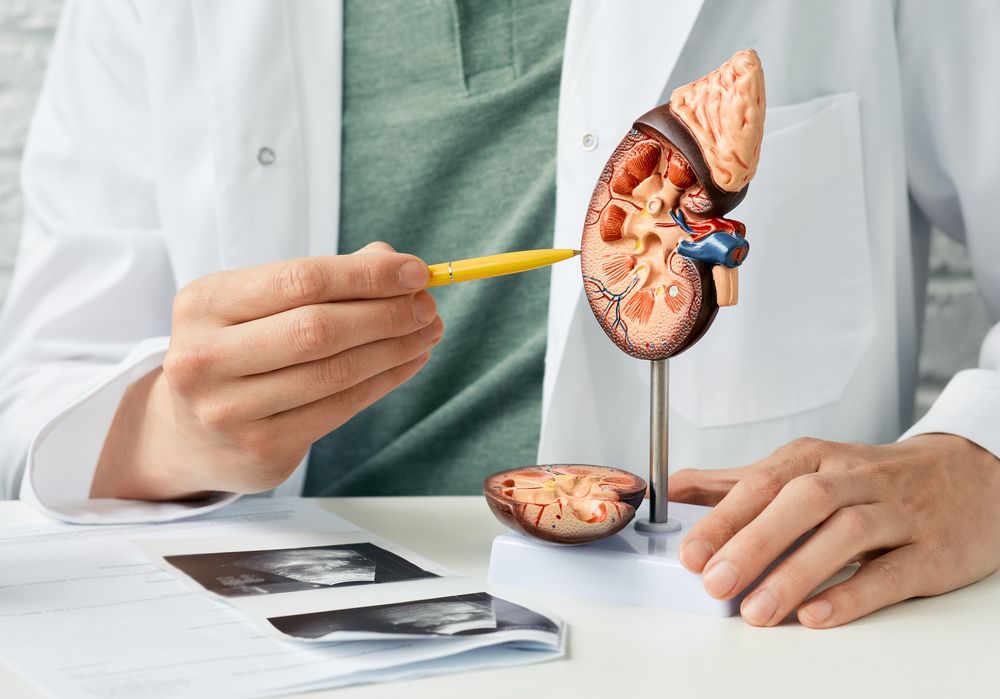
Proteinuria occurs when the kidney’s filtration system—particularly the glomeruli—becomes stressed or damaged. High blood pressure, diabetes, inflammation, certain medications, and infections can all increase the likelihood of protein leakage. Temporary proteinuria may occur during dehydration, fever, strenuous exercise, or periods of significant stress. In these cases, protein levels often normalize once the underlying condition improves.
However, persistent proteinuria may indicate early chronic kidney disease. Even when kidney filtration (eGFR) remains normal, proteinuria offers meaningful insight into the health of the kidney’s filtration barrier. For individuals with diabetes or hypertension—two leading causes of CKD—proteinuria serves as one of the earliest measurable warning signs.
Educational resources, such as kidney disease information, help individuals understand how proteinuria relates to CKD development and long-term kidney stability.
How Proteinuria Is Detected
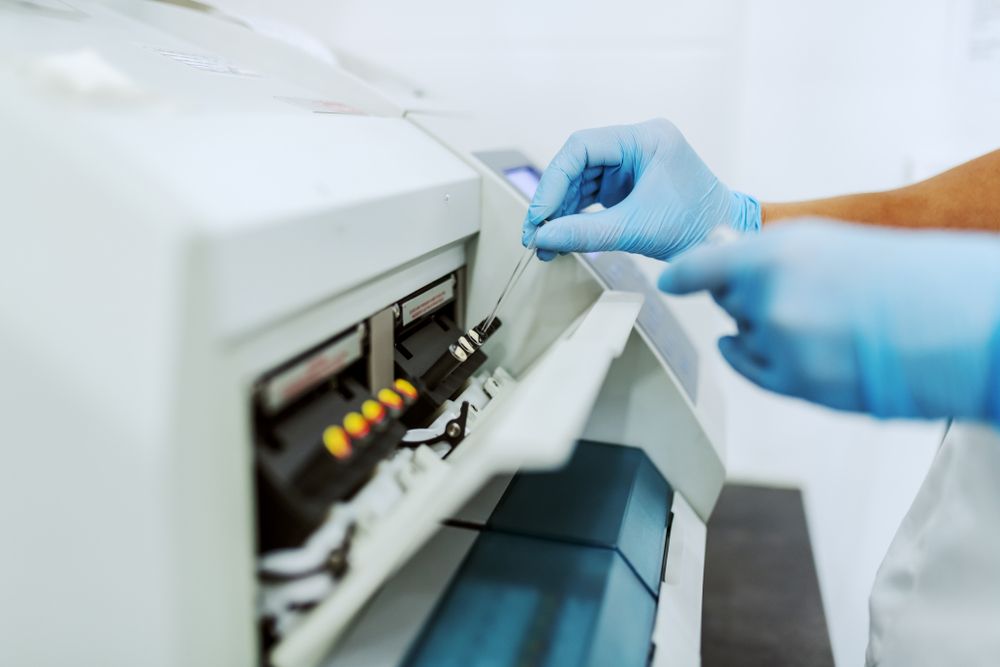
Proteinuria is typically identified through routine urine testing. A simple dipstick test may show trace or elevated protein levels. If protein is detected, additional testing—including urine albumin-to-creatinine ratio (UACR)—provides more accurate information. Even low levels of albumin in the urine (microalbuminuria) can be significant, especially for individuals with diabetes or high blood pressure.
Blood tests that assess kidney filtration help further interpret proteinuria results. A normal filtration rate with elevated protein may point to mild or early kidney involvement, while changes in filtration alongside proteinuria may signal more advanced stages of kidney disease.
To better understand how kidney protection strategies influence long-term function, individuals can explore kidney protection guidance, which highlights habits that support healthier kidney filtration.
Early Signs and Symptoms That May Accompany Proteinuria
Many people with proteinuria feel no symptoms, especially in the early stages. Protein leakage often goes unnoticed until it appears in routine tests. However, when symptoms develop, they may include swelling in the legs, feet, or around the eyes—signs that the kidneys are having difficulty managing fluid balance. Some individuals may also notice foamy or bubbly urine, which can indicate elevated protein levels, though this observation is not always definitive.
Fatigue, difficulty concentrating, and rising blood pressure may also accompany proteinuria, especially when kidney function begins to change. These symptoms do not confirm kidney disease, but when combined with laboratory findings, they can provide valuable context for evaluation.
Why Early Attention to Proteinuria Matters
Recognizing proteinuria early offers significant advantages. Even small amounts of protein leakage provide a window into the earliest stages of kidney stress. Addressing contributing factors—such as elevated blood pressure, high blood sugar, or medication effects—may help stabilize or reduce protein levels and protect filtration long-term.
For individuals with diabetes or hypertension, monitoring protein levels becomes an essential part of kidney disease prevention. Proteinuria often appears long before filtration declines, making it one of the most sensitive early indicators of kidney involvement.
When individuals take action early—through lifestyle adjustments, monitoring, or further evaluation—they gain more time to protect kidney function and delay or prevent progression of CKD.
How Proteinuria Guides Long-Term Kidney Care
Once proteinuria is identified, ongoing monitoring becomes an important part of understanding kidney health. Providers may recommend repeat testing, blood pressure monitoring, and discussions about medication choices. Some medications can support kidney health by reducing protein leakage, while others may need adjustment to minimize kidney stress.
Lifestyle considerations also play a meaningful role. Hydration, sodium moderation, weight management, and exercise can influence long-term kidney stability. Individuals who understand their proteinuria results gain the insight needed to make informed decisions about their health.
By recognizing proteinuria early, individuals strengthen their ability to respond proactively and maintain well-being.
Supporting Kidney Awareness Through Education
For residents in Berwyn, North Chicago, and Bergen, early awareness of proteinuria supports long-term kidney protection. Understanding why protein appears in the urine, how it connects to kidney function, and what steps may help reduce risk allows individuals to feel more in control of their health. Nephrology Associates of Northern Illinois and Indiana (NANI) continues to support patients by providing clear, accessible education that empowers informed decisions at every stage of kidney wellness.
Sources
Gansevoort RT, de Jong PE (2009). The importance of albuminuria in kidney disease. Journal of the American Society of Nephrology.
Mogensen CE (2000). Microalbuminuria as an early marker of renal disease. New England Journal of Medicine.
Levey AS, Coresh J (2012). Chronic kidney disease definition and classification. The Lancet.