Starting dialysis is a big step, and it’s natural to feel nervous about your first session. Dialysis is a life-saving treatment that helps your body remove waste and balance fluids when your kidneys can no longer do so on their own. Preparing for your first treatment can ease anxiety and help you feel more confident about what’s ahead. In this blog, we’ll walk you through what to expect before, during, and after your first dialysis session so you can arrive informed, supported, and ready to take charge of your kidney health.
In This Blog:
- Understanding Dialysis Basics
- Emotional Preparation
- What to Bring to Your First Session
- What to Expect During the Session
- After Your First Session
- Lifestyle Adjustments for Dialysis
- Building Confidence Over Time
Understanding Dialysis Basics
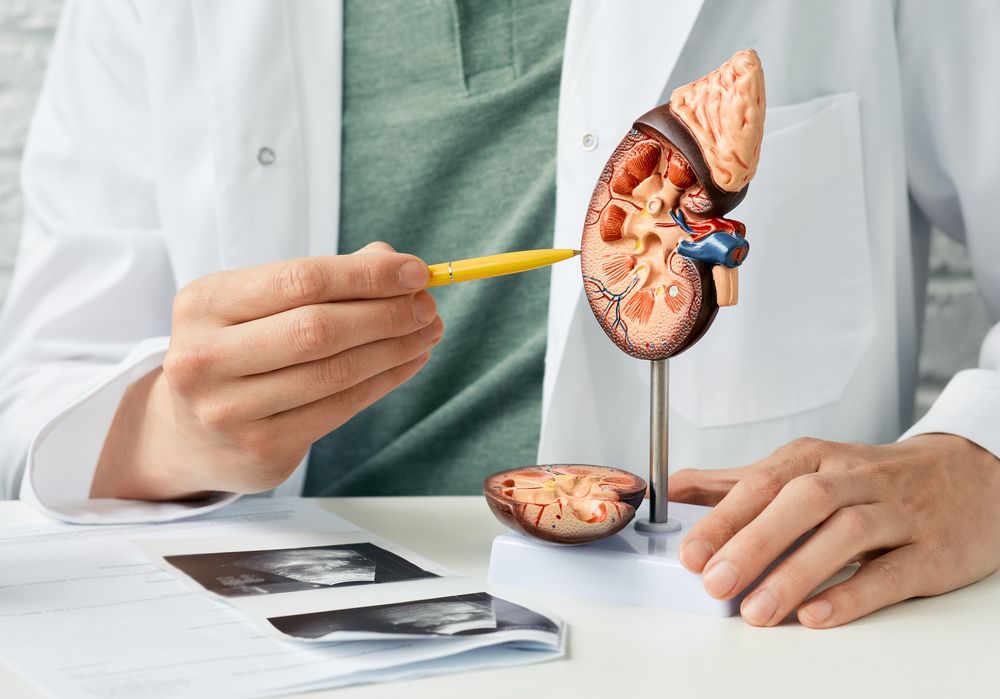
Dialysis is a treatment that takes over some of the work your kidneys can no longer do. Normally, your kidneys filter waste, excess fluids, and toxins from your blood while helping balance important minerals like sodium and potassium. When kidney function drops to a very low level, dialysis steps in to keep your body in balance.
There are two main types of dialysis:
- Hemodialysis: Your blood is filtered through a machine, usually at a dialysis center, a few times a week.
- Peritoneal dialysis: The lining of your abdomen is used as a natural filter, and this can often be done at home.
Your Bergen nephrologist will recommend the type that fits your health needs, lifestyle, and preferences. Knowing why you are starting dialysis and how it works can make the process feel less intimidating and more like an important tool to protect your health.
Emotional Preparation
It’s completely normal to feel nervous, anxious, or even overwhelmed before your first dialysis session. You might be worried about how it will feel, how long it will take, or how it will change your daily routine. These emotions are shared by many people starting dialysis. Here are some ways to prepare emotionally:
- Ask questions: Talk with your care team about what to expect; no concern is too small.
- Bring support: Having a family member or friend with you, especially during your first visit, can provide comfort.
- Stay informed: Reading patient resources or connecting with support groups can help you feel less alone.
- Focus on the benefits: Dialysis is a treatment that can improve your quality of life and help you feel better over time.
Remember, it’s okay to acknowledge your feelings. Sharing your concerns with your healthcare team can help you feel more at ease and supported as you begin this new chapter in your care.
What to Bring to Your First Session
Being prepared can make your first dialysis session much smoother and more comfortable. Here’s a simple checklist of items to pack:
- Comfortable clothing: Choose loose-fitting clothes with sleeves that can be rolled up easily if you have a fistula or graft.
- Medication list: Bring an updated list of your prescriptions and dosages for the care team.
- Entertainment: Dialysis sessions can last several hours, so bring something to pass the time, like a book, tablet, headphones, or crossword puzzles.
- Snacks and water: Some centers allow light snacks and drinks. Always check what is permitted beforehand, and follow your kidney-friendly diet.
- Personal comfort items: A blanket, pillow, or sweater can help you stay warm and relaxed.
Packing these essentials will not only keep you comfortable but also give you peace of mind knowing you have what you need during your treatment.
What to Expect During the Session
Understanding what happens step-by-step can take away much of the fear of the unknown. Here’s what usually happens during a hemodialysis session:
- Check-in and assessment: The staff will take your blood pressure, weight, and temperature. This helps them see how much fluid needs to be removed.
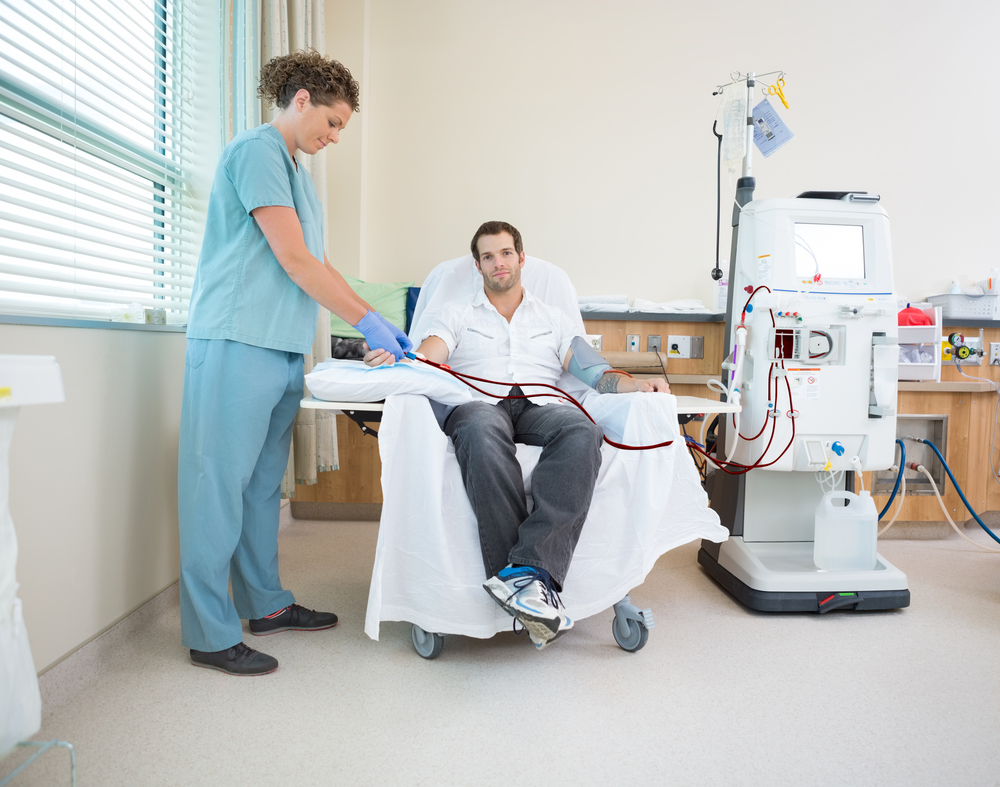
- Connecting to the machine: You’ll be seated in a reclining chair while a nurse connects you to the dialysis machine through your access site (fistula, graft, or catheter).
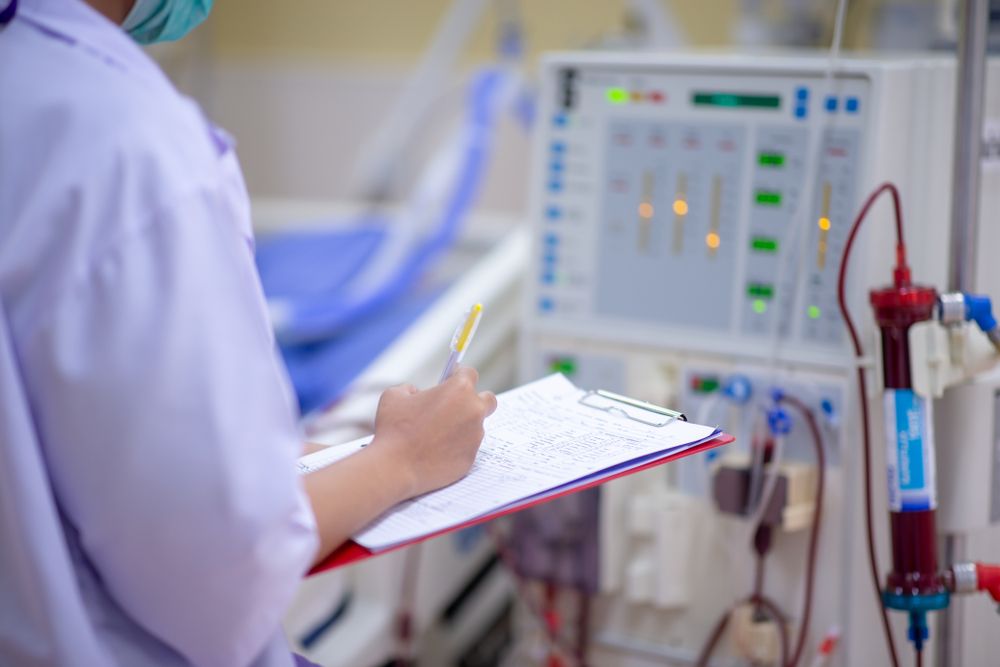
- The dialysis process: Over the next three to four hours, your blood will slowly circulate through the machine, which cleans it before returning it to your body.
- Monitoring: Nurses and technicians will check on you often, making sure you’re comfortable and that your treatment is going smoothly.
- Finishing up: Once treatment is complete, you’ll be disconnected, your access site will be bandaged, and your blood pressure and weight will be checked again.
You may feel a little tired after your first session, but many people also feel lighter and more energized as excess fluid and waste are removed from the body.
After Your First Session
Once your first dialysis session is finished, it’s normal to feel a bit tired as your body adjusts to the treatment. Some people may also notice mild cramping, dizziness, or a headache. These side effects are usually temporary and improve as your body gets used to the routine.
To help yourself recover:
- Rest: Give your body time to regain energy after treatment.
- Stay hydrated wisely: Follow your Bergen nephrologist’s instructions for fluid intake. Drinking too much or too little can make dialysis less effective.
- Eat a kidney-friendly snack or meal: Your dietitian may recommend foods that support your recovery.
- Monitor how you feel: Keep track of any unusual symptoms and let your dialysis team know if something doesn’t feel right.
Over time, many patients learn how their bodies respond and develop a routine that makes post-dialysis recovery more predictable.
Lifestyle Adjustments for Dialysis
Dialysis is just one part of your overall kidney care. Making small but consistent lifestyle adjustments can help you feel better and get the most benefit from treatment:
- Follow your kidney diet: Limit sodium, potassium, and phosphorus as advised, and stick to your fluid limits.
- Stay active: Light to moderate activity, like walking or stretching, can improve your strength and energy.
- Protect your access site: Avoid heavy lifting, tight clothing, or anything that could injure your fistula or graft.
- Take medications as prescribed: These help manage blood pressure, bone health, and anemia.
- Keep regular appointments: Routine labs and check-ins with your Bergen nephrologist ensure your treatment plan stays on track.
By combining dialysis with healthy lifestyle habits, you’ll be taking an active role in managing your kidney health and overall well-being.
Building Confidence Over Time
The first dialysis session is often the hardest because everything feels new and unfamiliar. But with each visit, the process becomes more routine. You’ll get to know the dialysis staff, find your favorite ways to stay comfortable during treatment, and learn how your body responds.
Many patients find that over time, dialysis brings more energy, less swelling, and a better quality of life. You’ll also gain confidence as you adjust your lifestyle, follow your care team’s guidance, and see the benefits of treatment. Remember, you are not alone and your dialysis team is there to answer questions, offer support, and help you every step of the way.
Conclusion
Preparing for your first dialysis session can feel overwhelming, but knowing what to expect helps ease worries and gives you more control. From understanding the basics to packing the right items, and from managing emotions to making healthy lifestyle adjustments, each step prepares you for a smoother experience. Over time, dialysis becomes a routine part of life, supporting your health and helping you feel your best.
At Nephrology Associates of Northern Illinois and Indiana (NANI), we understand that starting dialysis is a big step, and we’re here to make the journey easier. Our compassionate team provides expert kidney care, helping you prepare for your first session and supporting you every step of the way. With clinics across Illinois, Indiana, and even in Bergen New Jersey, NANI makes high-quality nephrology care accessible and convenient for patients and families.
If you or a loved one is preparing for dialysis, trust NANI to guide you with experience, understanding, and personalized care. Contact us today to schedule an appointment and learn how we can support your kidney health.