Your kidneys play a crucial role in keeping your body healthy. They filter waste, balance fluids, regulate electrolytes, and support blood pressure control. Just like any other organ, kidneys thrive when they get the right nutrients. A kidney-friendly diet can help maintain optimal function, reduce the risk of chronic kidney disease (CKD), and support overall wellness. Making smart food choices doesn’t have to be complicated, and simple adjustments in what you eat can go a long way in protecting these vital organs. In this guide, we’ll explore the best foods for healthy kidneys and practical tips for incorporating them into your daily diet.
In This Blog:
- Key Nutrients for Kidney Health
- Top Foods for Healthy Kidneys
- Foods to Limit for Kidney Health
- Tips for Maintaining a Kidney-Friendly Diet
- When to See a Nephrologist
Key Nutrients for Kidney Health
Maintaining healthy kidneys isn’t just about avoiding certain foods, it’s also about getting the right nutrients. These key nutrients help support kidney function, protect cells from damage, and reduce stress on these vital organs.
Antioxidants
Antioxidants help neutralize harmful free radicals in the body, which can damage kidney cells over time. Foods rich in antioxidants, like berries and leafy greens, can help reduce inflammation and support long-term kidney health.
Fiber
Fiber plays a vital role in controlling blood sugar and cholesterol levels, which indirectly protects the kidneys. High-fiber foods such as whole grains, fruits, and vegetables help keep the digestive system healthy and prevent conditions like diabetes and heart disease that can strain the kidneys.
Healthy Fats
Healthy fats, like those found in olive oil, nuts, and fatty fish, support heart health. Since cardiovascular problems can affect kidney function, consuming healthy fats helps protect both your heart and kidneys.
Vitamins and Minerals
Vitamins and minerals, including potassium, magnesium, and calcium, are essential for overall health. For people with normal kidney function, these nutrients help maintain fluid balance, blood pressure, and bone health. Those with kidney disease may need to monitor these minerals carefully under a doctor’s guidance.
Top Foods for Healthy Kidneys
Eating the right foods can help your kidneys stay strong and function properly. Here are some of the best options:
Fatty Fish
Salmon, sardines, and mackerel are rich in omega-3 fatty acids, which reduce inflammation and support heart and kidney health. Aim for at least two servings of fatty fish per week.
Berries
Blueberries, strawberries, and cranberries are packed with antioxidants and vitamin C, helping protect kidney cells and reduce inflammation. They also make for a tasty, low-sugar snack.
Leafy Greens
Spinach, kale, and Swiss chard are high in vitamins A and C, fiber, and other nutrients that support kidney function. For those with chronic kidney disease, it’s important to monitor potassium intake, as some leafy greens are high in this mineral.
Red Bell Peppers
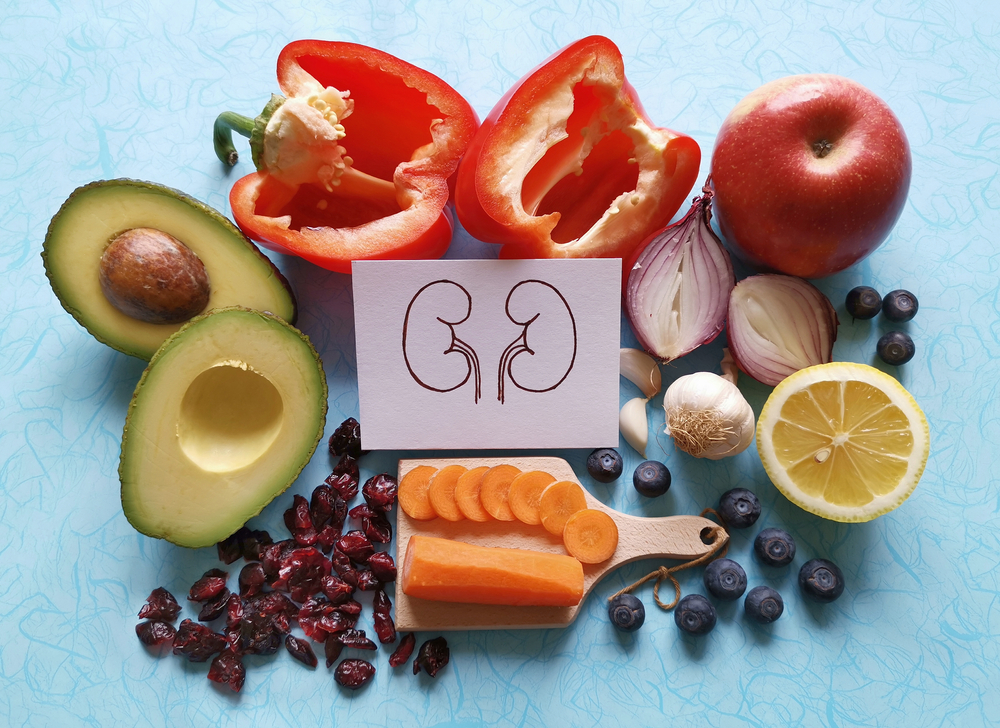
Red bell peppers are low in potassium but high in vitamins A and C, fiber, and antioxidants, making them a perfect kidney-friendly vegetable. They can be eaten raw, roasted, or added to salads and stir-fries.
Garlic and Onions
These flavorful ingredients are natural anti-inflammatories and can enhance the taste of meals without the need for extra salt, which is important for kidney health.
Cauliflower and Broccoli
Both vegetables are rich in fiber, vitamin C, and compounds that support the body’s detoxification processes. They are versatile, and are great steamed, roasted, or mashed.
Apples
Apples are high in fiber and help reduce cholesterol, control blood sugar, and prevent constipation, all of which are important for maintaining kidney health.
Olive Oil
A source of healthy fat, olive oil supports heart and kidney health and can replace butter or other saturated fats in cooking.
Whole Grains
Oats, quinoa, and barley are packed with fiber and nutrients, helping balance blood sugar and cholesterol while supporting overall kidney function.
Foods to Limit for Kidney Health
While including kidney-friendly foods in your diet is important, it’s equally crucial to be mindful of foods that can put extra strain on your kidneys. Here are the main ones to watch:
High-Sodium Foods
Excess salt can increase blood pressure and strain your kidneys over time. Limit processed foods, canned soups, fast food, salty snacks, and pre-packaged meals. Instead, use herbs, spices, and garlic to flavor your dishes.
Excessive Protein
While protein is essential for your body, consuming too much, especially from red meat, can overwork the kidneys. For people with chronic kidney disease, it’s important to balance protein intake and follow a doctor’s recommendations.
High-Phosphorus Foods
Phosphorus is found in certain dairy products, processed foods, and soft drinks. Too much phosphorus can harm your kidneys and bones, particularly for those with CKD. Always check food labels and consult your healthcare provider if you need to limit phosphorus.
Added Sugars
Sugar-sweetened drinks and desserts can lead to obesity, diabetes, and high blood pressure, all of which increase the risk of kidney problems. Opt for water, herbal teas, or naturally sweet fruits instead.
Tips for Maintaining a Kidney-Friendly Diet
Adopting a kidney-friendly diet doesn’t mean giving up flavor, it’s about making mindful choices and creating healthy habits. Here are some practical tips:
Stay Hydrated
Drinking enough water helps the kidneys flush out toxins and maintain proper fluid balance. However, avoid overhydration, especially if you have kidney disease, and follow your doctor’s guidance.
Read Food Labels
Pay attention to sodium, phosphorus, and potassium content, especially in packaged and processed foods. Choosing fresh, whole foods can make this easier.
Cook at Home
Preparing meals at home allows you to control ingredients, reduce added salt, and incorporate more kidney-friendly foods into your diet.
Balance Protein Sources
Include lean meats, fish, and plant-based proteins like beans, lentils, and tofu. If you have kidney disease, work with your Bergen nephrologist to determine the right amount of protein for you.
Portion Control
Even healthy foods can strain the kidneys if eaten in excessive amounts. Focus on balanced meals with appropriate portion sizes.
Plan Meals and Snacks
Having a plan makes it easier to stick with kidney-friendly choices and avoid high-sodium or sugary options when you’re busy or on the go.
When to See a Nephrologist
Even with a healthy diet, it’s important to monitor kidney health regularly. You should consider seeing a nephrologist in Bergen if you notice any early signs of kidney issues, such as:
- Changes in urination: Increased frequency, foamy urine, or difficulty urinating.
- Swelling: Puffiness in the hands, feet, or around the eyes.
- Fatigue: Persistent tiredness that doesn’t improve with rest.
- High blood pressure: Difficult-to-control hypertension can indicate kidney strain.
- Unexplained nausea or loss of appetite: Can signal kidney function changes.
Routine check-ups and lab tests, such as blood creatinine levels and urine protein tests, can help detect problems early and keep your kidneys functioning optimally.
Conclusion
Your kidneys work tirelessly to keep your body healthy, and the foods you eat can have a significant impact on their function. By focusing on nutrient-rich, kidney-friendly foods while limiting sodium, excess protein, and added sugars, you can help protect these vital organs. Pairing these dietary choices with proper hydration, balanced meals, and regular check-ups creates a strong foundation for long-term kidney health.
If you’re concerned about your kidney function or want personalized guidance on a kidney-friendly diet, schedule a consultation with the experts at Nephrology Associates of Northern Illinois and Indiana. Our team can help you create a nutrition plan tailored to your needs and monitor your kidney health every step of the way. We have several locations throughout Illinois and Indiana including Berwyn and Northern Chicago, as well as our Bergen, NJ location.