
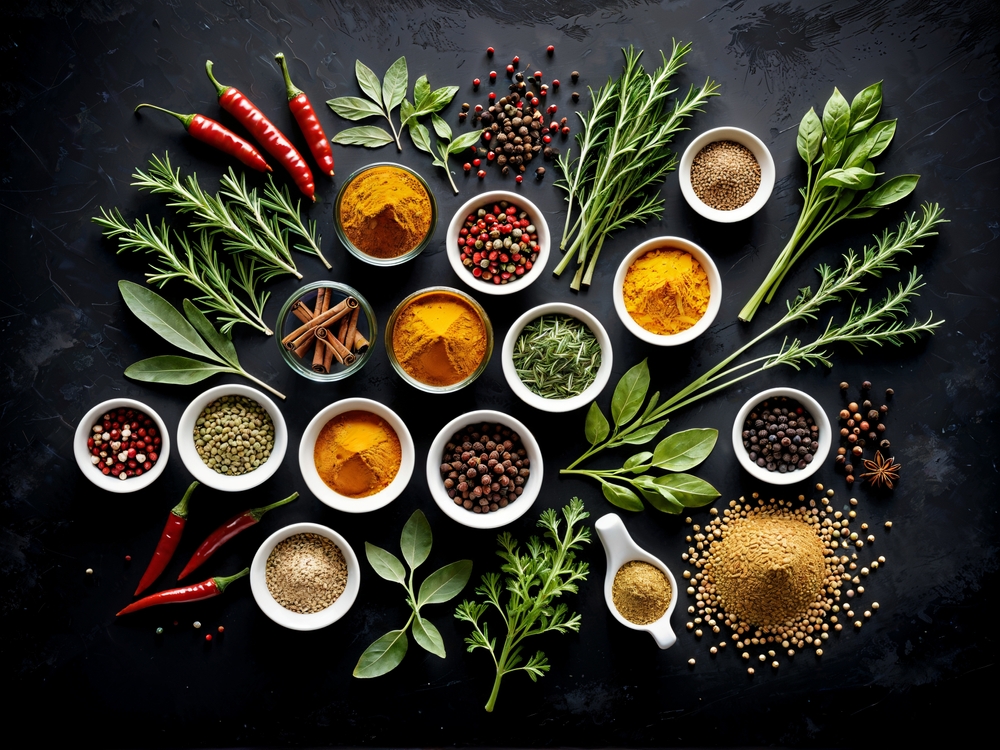
For individuals living with kidney disease, maintaining a healthy diet goes beyond cutting back on processed foods—it’s also about finding flavorful ways to cook without relying on salt. Sodium can increase blood pressure and strain the kidneys, making seasoning choices especially important. Fortunately, a wide variety of herbs and spices can bring life to your meals while keeping them kidney-friendly. At Nephrology Associates of Northern Illinois and Indiana (NANI), we encourage patients to explore fresh, healthy flavor alternatives that support kidney function and overall wellness.
In This Blog:
- Why Limiting Salt Is Important for Kidney Health
- The Benefits of Cooking with Herbs and Spices
- Top Kidney-Friendly Herbs and Spices
- Herbs and Spices to Use with Caution or Avoid
- Tips for Cooking with Herbs and Spices
- Creating Flavorful, Kidney-Friendly Meals
- When to Consult a Nephrologist or Dietitian
Why Limiting Salt Is Important for Kidney Health
Your kidneys play a key role in regulating fluid balance and filtering waste from your blood. When you consume too much salt, your body retains extra water to balance the sodium levels. This increased fluid volume can raise blood pressure, putting additional strain on your kidneys. Over time, a high-sodium diet can worsen or accelerate chronic kidney disease (CKD). Reducing salt intake helps lower blood pressure, prevent fluid buildup, and support better kidney function. Simple changes—like using herbs and spices instead of salt—can make a significant difference in protecting your kidney health.
The Benefits of Cooking with Herbs and Spices
Cooking with herbs and spices is a simple way to make meals more enjoyable without adding extra sodium. These natural flavor enhancers not only boost taste but also offer health benefits. Many herbs and spices are rich in antioxidants, which can help reduce inflammation and support overall wellness. Garlic, turmeric, and ginger, for example, have been studied for their potential anti-inflammatory and heart-protective properties. For those managing kidney disease, adding these natural seasonings allows you to eat well while staying within your dietary limits.
Top Kidney-Friendly Herbs and Spices
Here are some great options to flavor your meals while keeping your kidneys healthy:
- Basil: Fresh or dried, basil adds a bright flavor to pasta, vegetables, and chicken dishes.
- Garlic: A classic seasoning that enhances taste while supporting heart and immune health.
- Ginger: Known for its soothing properties, ginger adds warmth and helps with digestion.
- Rosemary: Perfect for roasted vegetables or meats; its aroma and flavor make dishes more satisfying.
- Parsley (in moderation): Adds freshness to meals, but use lightly if monitoring potassium levels.
- Turmeric: Adds color and mild spice; may help reduce inflammation.
- Dill: Great for fish, potatoes, and salads, adding a delicate, slightly tangy flavor.
These herbs and spices make it easy to create flavorful, kidney-friendly dishes without compromising your health—or your taste buds.
Herbs and Spices to Use with Caution or Avoid
While most herbs and spices are safe for kidney health, some should be used carefully—especially for those with advanced kidney disease or dietary restrictions.
- Salt substitutes: Many contain potassium chloride, which can raise potassium levels to dangerous levels for kidney patients. Always check labels or consult your doctor before using them.
- Premixed seasoning blends: Many store-bought blends include added salt or preservatives that increase sodium intake. Opt for salt-free versions labeled “no sodium” or “low sodium.”
- High-potassium herbs: Certain dried herbs (like chervil or dried parsley) contain more potassium per serving, so use in moderation if you’ve been advised to limit potassium.
When in doubt, read the ingredient list and talk with your nephrologist or dietitian before trying a new spice or seasoning mix.
Tips for Cooking with Herbs and Spices
Enhancing your meals with herbs and spices doesn’t need to be complicated. Here are a few easy tips to make the most of them:
- Add fresh herbs near the end of cooking to preserve their flavor and aroma.
- Use dried herbs earlier in the cooking process so they have time to release their taste.
- Experiment with combinations: Try rosemary and garlic for chicken, or turmeric and ginger for lentils.
- Infuse oils with herbs for an easy, flavorful base for sautéing vegetables or meats.
- Start small: A little goes a long way—use small amounts and adjust to taste.
Learning to use herbs creatively can help make kidney-friendly meals enjoyable and satisfying.
Creating Flavorful, Kidney-Friendly Meals
Flavorful eating is possible on a kidney-friendly diet when you use the right seasonings. Here are a few ideas to inspire your next meal:
- Lemon, dill, and garlic make a bright, refreshing combination for grilled fish.
- Turmeric, ginger, and cumin add warmth to soups, stews, and chicken dishes.
- Basil, oregano, and rosemary bring classic Italian flavor to roasted vegetables or pasta.
- Cinnamon and nutmeg are excellent for adding depth to oatmeal or baked fruits without added sugar.
By mixing and matching herbs, you can bring excitement to your meals while staying within kidney-safe guidelines. Small changes in your seasoning choices can make a big difference in both your kidney health and your enjoyment of food.
When to Consult a Nephrologist or Dietitian
Every person’s kidney health and nutritional needs are different, which is why it’s important to work closely with a nephrologist and a renal dietitian. They can help you understand how specific herbs and spices fit into your individualized diet plan, especially if you need to monitor sodium, potassium, or phosphorus levels. A dietitian can also provide guidance on meal planning, portion sizes, and safe seasoning alternatives that suit your stage of kidney disease. At Nephrology Associates of Northern Illinois and Indiana (NANI), our team partners with patients to create practical, flavorful eating strategies that protect kidney function while supporting overall wellness.
Conclusion
Cooking kidney-friendly meals doesn’t have to mean sacrificing taste. By incorporating herbs and spices into your dishes, you can reduce sodium, enhance flavor, and support your kidney health—all at the same time. Start experimenting with new seasonings and discover just how delicious a kidney-conscious diet can be.
At NANI, we’re here to help you take a proactive approach to your kidney health. If you have questions about your diet or need personalized guidance, schedule an appointment with a NANI nephrologist or renal dietitian today. Find a NANI location near you in Northern Illinois and Indiana to start your journey toward better kidney wellness.