Specialized Settings for Dialysis Access Care
For patients receiving hemodialysis, reliable vascular access is an essential part of treatment. An arteriovenous fistula, graft, or dialysis catheter must provide dependable blood flow during each session, and problems such as narrowing, clotting, poor maturation, or catheter malfunction may require specialized evaluation or treatment.
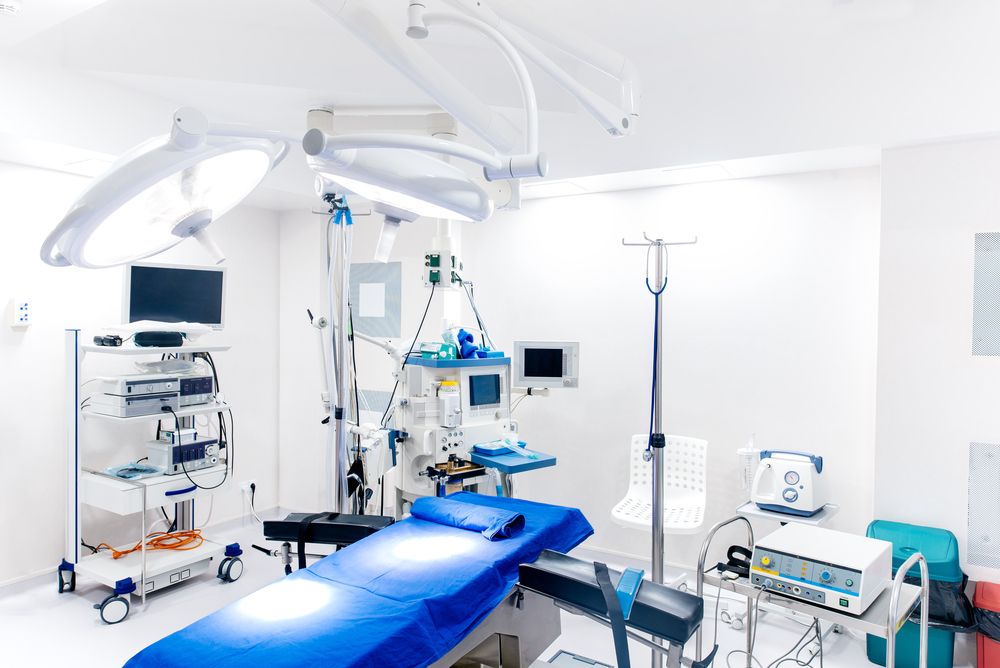
Ambulatory surgical centers and vascular access facilities provide an outpatient setting where certain procedures can be performed without a traditional hospital stay. These centers can bring together imaging, procedural care, and clinicians experienced in dialysis access management.
Nephrology Associates of Northern Illinois and Indiana (NANI) maintains vascular access facilities as part of its broader kidney-care network. For dialysis patients, having access-focused services within a nephrology organization can help connect procedural care with ongoing kidney treatment and dialysis planning.
Why Dialysis Access Requires Ongoing Attention
A dialysis access is used repeatedly, often several times each week. Over time, changes can develop within the blood vessels or the access itself.
A fistula may fail to mature adequately after creation. A graft can develop narrowing where it connects to a blood vessel. Either type of access can develop stenosis, which restricts blood flow and may eventually contribute to clotting. Catheters may also become blocked, displaced, or associated with infection concerns.
Regular monitoring helps identify changes before an access becomes unusable. Patients and dialysis staff may notice changes in the thrill or bruit, prolonged bleeding after treatment, swelling, difficulty with needle placement, or repeated dialysis-machine alarms.
NANI’s vascular access care focuses on the creation, evaluation, repair, and maintenance of dialysis access, allowing problems to be assessed by clinicians familiar with the needs of patients receiving kidney replacement treatment.
What Happens at a Vascular Access Center?
The specific visit depends on why the patient was referred. Some appointments focus on diagnosis, while others involve a procedure intended to improve or restore access function.
The medical team may begin by examining the fistula or graft, checking blood flow, reviewing dialysis records, and discussing changes that have occurred during recent treatments. Imaging can then provide more information about the structure of the access and the surrounding blood vessels.
Procedures that may be associated with specialized vascular access care include:
- Vessel mapping before access creation
- Angiography to examine blood flow
- Angioplasty to open narrowed portions of an access
- Thrombectomy to remove a blood clot
- Dialysis catheter placement, exchange, or removal
- Evaluation and treatment of fistula maturation problems
- Surgical or minimally invasive access creation when appropriate
Not every access concern requires a procedure. Examination and imaging may show that continued observation is appropriate or that another specialist should become involved.
The Role of Imaging in Access Care
Many dialysis access problems occur beneath the skin and cannot be fully understood from appearance alone. Imaging allows clinicians to evaluate vessel size, blood flow, narrowing, clot formation, and other structural concerns.
Ultrasound may be used to assess blood vessels before a fistula or graft is created. This process, often called vessel mapping, helps identify arteries and veins that may be suitable for an access.
Angiography may be used when an existing access is not functioning as expected. Contrast is introduced so the clinician can visualize the blood vessels and look for narrowing or obstruction. In some cases, a problem identified during imaging can be treated during the same visit.
This combination of diagnosis and treatment can be particularly useful when dialysis performance has begun to decline.
Angioplasty and Access Narrowing
Stenosis is one of the more common problems affecting fistulas and grafts. When a section of the access becomes narrowed, blood may not move through it efficiently.
Angioplasty is a minimally invasive procedure commonly used to treat stenosis. A small balloon is guided into the narrowed portion of the vessel and inflated to widen the area. The goal is to improve blood flow and support continued use of the existing access.
Patients may be referred for evaluation because of prolonged bleeding, changes in pressure during dialysis, swelling, reduced blood flow, or an abnormal physical examination.
Treating a narrowing does not guarantee that the access will never develop another problem. Fistulas and grafts require continued monitoring because stenosis can recur.
Treating a Clotted Dialysis Access
A fistula or graft that suddenly loses blood flow may contain a clot. Patients may notice that the usual vibration, or thrill, has disappeared or become significantly weaker.
A thrombectomy is used to remove clot material and restore circulation. The clinician also looks for the underlying reason the clot formed. Often, a narrowed section of the access is contributing to the problem and may need treatment at the same time.
Timely evaluation is important because a nonfunctioning access can interfere with scheduled dialysis.
Hemodialysis is one form of kidney replacement therapy, and effective treatment depends on an access capable of consistently supporting the blood flow required by the dialysis machine.
Catheter Procedures and Access Planning
Some patients receive dialysis through a central venous catheter, particularly when dialysis must begin before a fistula or graft is ready.
Catheters can provide immediate access, but they also require careful management. Problems may include poor blood flow, clotting, catheter movement, or infection. Specialized access centers may perform catheter placement, exchange, or removal when medically appropriate.
At the same time, the care team may discuss whether a longer-term fistula or graft is possible. Planning ahead is important because fistulas need time to mature before they can reliably support dialysis.
The choice of access depends on blood vessel anatomy, medical history, expected dialysis needs, previous access procedures, and the overall treatment plan.
Why Outpatient Access Care Can Be Helpful
An ambulatory surgical or vascular access center is designed around procedures that usually do not require overnight hospitalization. For an appropriate patient and procedure, this setting can streamline several parts of access care.
The team is accustomed to working with people who have advanced kidney disease and may understand dialysis schedules, vascular access history, and kidney-related medication considerations. Procedure planning can also take into account when the patient last received dialysis and when the access will need to be used again.
NANI’s model incorporates vascular access services alongside nephrology care. Its current network includes interventional nephrologists and surgical expertise focused on dialysis access.
This connection can support communication between the clinician performing the procedure, the nephrologist managing kidney disease, and the dialysis team using the access.
What Patients Can Expect After a Procedure
Discharge instructions depend on the procedure performed. Patients may be asked to watch for bleeding, increasing swelling, pain, redness, drainage, fever, or a change in the access thrill.
Some soreness around a procedure site may occur, but patients should understand which symptoms are expected and which require immediate medical attention.
The care team may also provide instructions about dressings, activity, bathing, medications, and when dialysis can resume through the access. Follow-up may occur through the vascular center, dialysis unit, nephrology practice, or a combination of these settings.
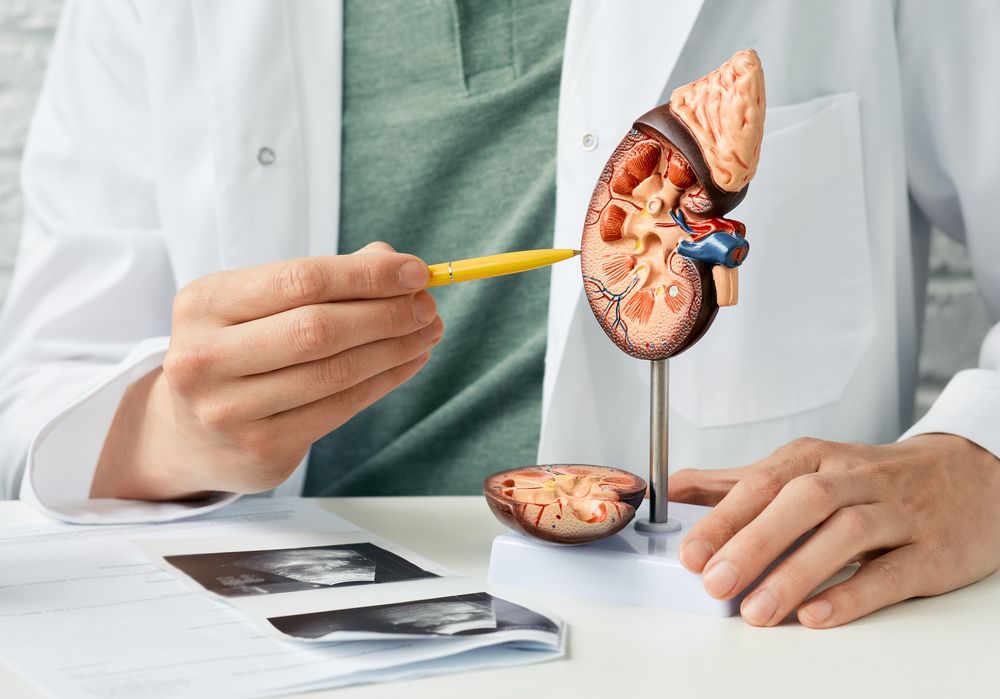
Because kidney filtration is severely reduced in patients requiring dialysis, understanding kidney function also helps explain why access care, dialysis performance, laboratory monitoring, and fluid management remain closely connected.
Coordinating Access Care With Long-Term Kidney Treatment
A vascular access procedure addresses a specific problem, but it is only one part of ongoing dialysis care. The fistula, graft, or catheter must continue to be checked during dialysis treatments and monitored by the patient between sessions.
Changes in thrill, swelling, prolonged bleeding, pain, skin changes, or treatment performance should be reported rather than saved for the next routine visit. Earlier evaluation may provide more options for preserving the access before it becomes completely unusable.
NANI’s vascular facilities extend the organization’s kidney-care services into access-focused procedural settings. By combining nephrology expertise with specialized vascular care, the goal is to support the access patients depend on for effective hemodialysis while coordinating that care with the larger treatment plan.
Sources
Lok, C. E., Huber, T. S., Lee, T., et al. (2020). KDOQI clinical practice guideline for vascular access: 2019 update. American Journal of Kidney Diseases.
Lee, T., Mokrzycki, M., Moist, L., Maya, I., Vazquez, M., & Lok, C. E. (2011). Standardized definitions for hemodialysis vascular access. Seminars in Dialysis.
Allon, M. (2019). Vascular access for hemodialysis patients: New data should guide decision making. Clinical Journal of the American Society of Nephrology.